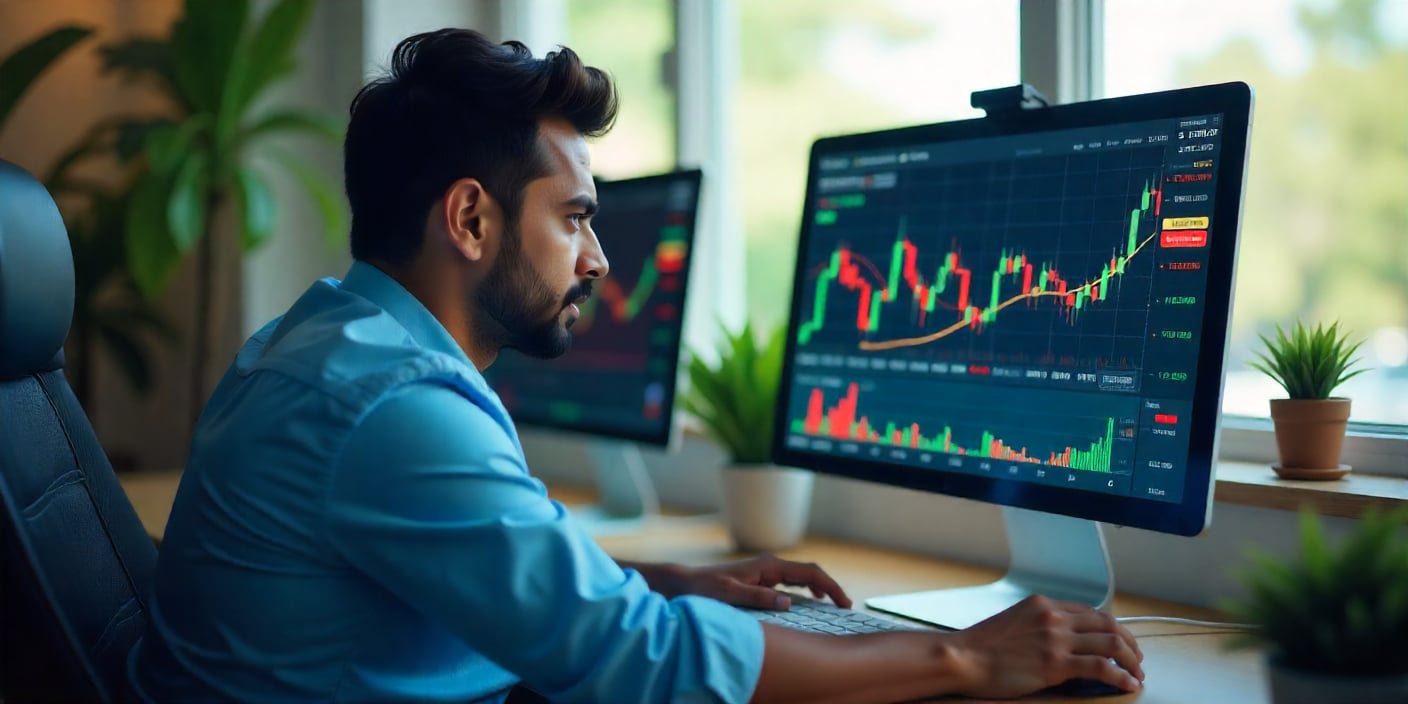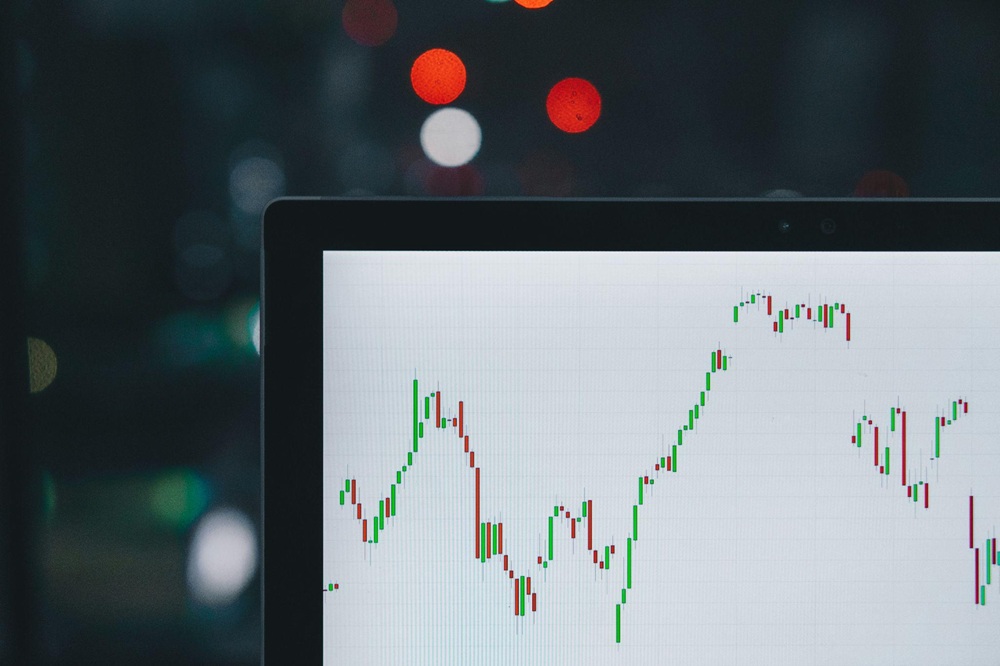
South Korean forex traders seeking optimal trading conditions face unique regulatory challenges that require careful broker selection. The country’s strict financial oversight, managed by the Financial Services Commission (FSC) and Financial Supervisory Service (FSS), creates a limited onshore trading environment that pushes most traders toward offshore brokers. Understanding the regulatory landscape and available options is crucial for South Korean traders who want to participate in global currency markets while maintaining compliance with local laws. This comprehensive guide examines the top forex brokers serving South Korean clients and provides essential information about trading requirements, regulations, and best practices.
Forex Trading in South Korea
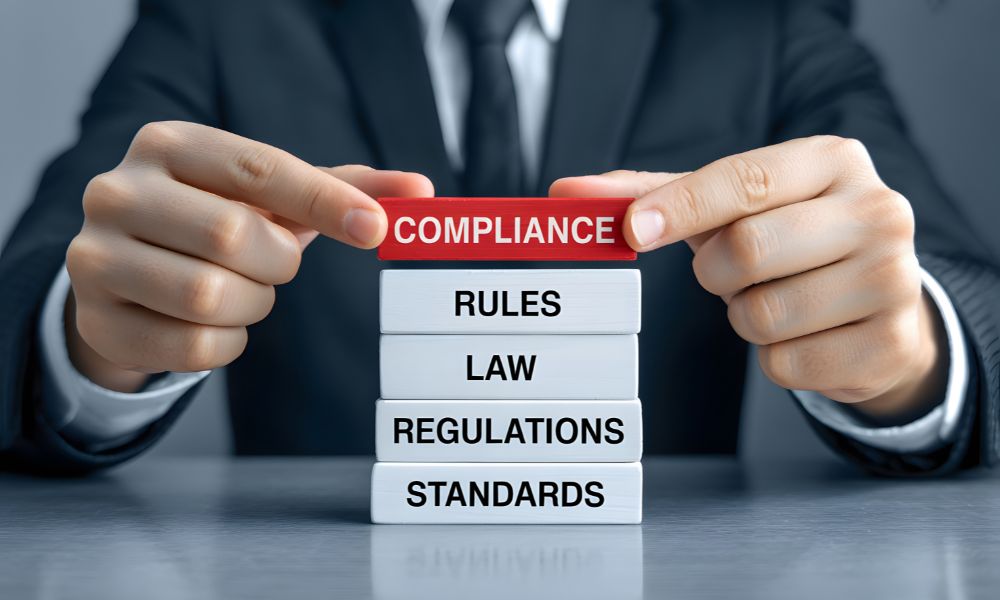
Forex trading operates under strict regulatory oversight in South Korea, with the FSC and FSS governing all financial market activities. While forex trading remains legal, the onshore market offers limited options, forcing most traders to seek offshore alternatives.
Regulatory Framework
The South Korean regulatory environment imposes several restrictions on forex trading:
- Leverage Limitations: Maximum leverage of 1:10 for major currency pairs and 1:5 for non-major crosses
- Assessment Requirements: Traders must pass evaluation tests before accessing margin trading
- Credit Card Restrictions: Banned for deposits to offshore broker accounts
- KYC Compliance: Rigorous Know Your Customer checks required
Onshore Trading Options
South Korean residents can access limited onshore forex trading through two government-regulated brokers:
- Korea Money Brokerage Corp: Offers USD/KRW and other won-based pairs
- Seoul Money Brokerage: Provides similar services with Korean won futures contracts
These options provide enhanced security but limited currency pair selection compared to offshore alternatives.
Top Australian Brokers
Get Ahead of the Market
Smarter investing starts with better information. The Bull Premium gives you everything you need to grow your wealth and build your future. You will get:
- Early access to 18 Share Tips – delivered 3 days early
- A comprehensive weekly market outlook
- An exclusive complete investing course
Sign up today and get your first week free
Offshore Broker Access
Since no foreign brokers hold local licenses, South Korean traders legally access offshore brokers regulated in jurisdictions including:
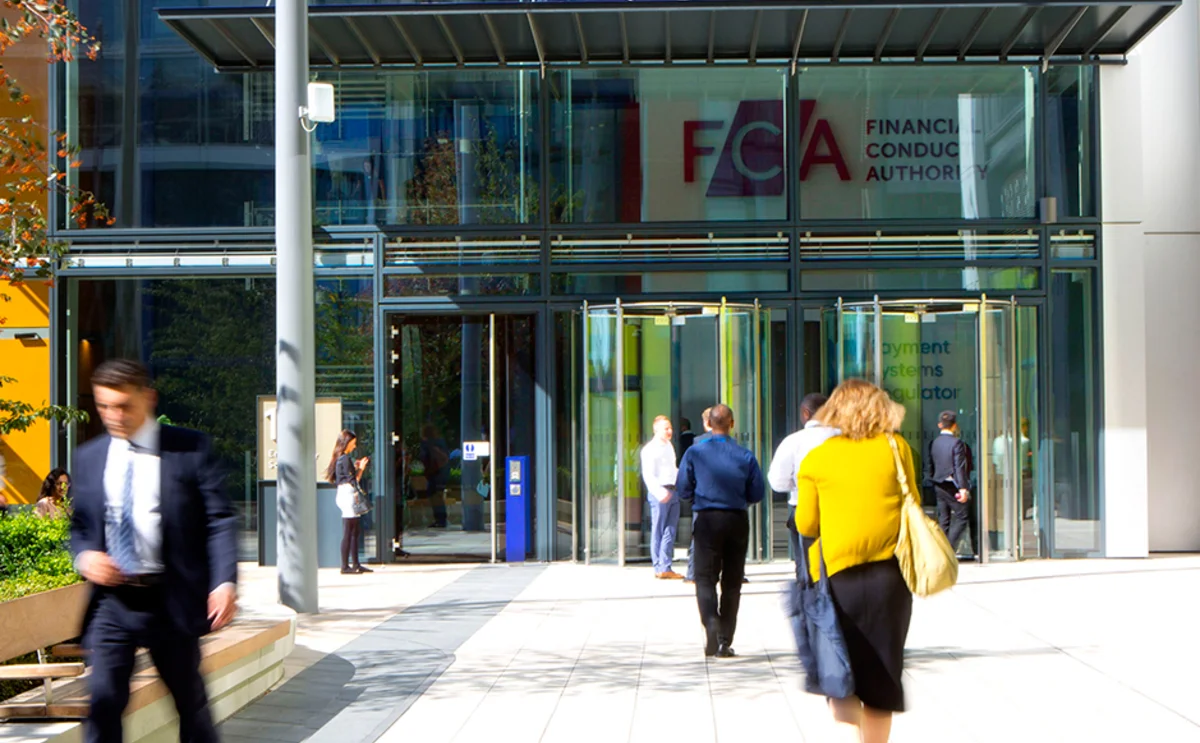
- United Kingdom (FCA)
- Cyprus (CySEC)
- Australia (ASIC)
The Best Forex Brokers for South Korean Traders
Based on comprehensive testing and evaluation, the following brokers offer optimal conditions for South Korean forex traders:
BlackBull Markets
BlackBull Markets has rapidly gained traction among South Korean investors by offering a unique combination of New Zealand-based reliability and high-tech trading infrastructure. The platform is particularly distinguished by its massive asset library, providing access to over 26,000 tradable instruments, including global equities, forex, and commodities. For Korean traders, BlackBull’s integration with TradingView and the full MetaTrader suite offers a seamless transition between advanced technical analysis and rapid execution. The broker’s ECN model ensures that users benefit from institutional-grade spreads, supported by fiber-optic connections to major global exchanges for minimal latency. Its commitment to transparency and 24/7 customer support further solidifies its reputation as a premier multi-asset brokerage.
- Access to over 26,000 global tradable instruments.
- Institutional ECN spreads starting from 0.0 pips.
- Seamless integration with TradingView and MetaTrader.
IC Markets

IC Markets is a dominant force in the South Korean forex community, particularly among high-volume and algorithmic traders who demand institutional-grade liquidity. Known for its “Raw Spread” connectivity, the platform offers some of the tightest spreads in the industry, often starting from 0.0 pips on major currency pairs. This pricing model, combined with a transparent commission structure, makes it one of the most cost-effective options for active participants in Korea’s competitive financial markets. The broker’s technological infrastructure is a key draw, featuring enterprise-grade servers that ensure sub-millisecond execution speeds and minimal slippage. With a wide range of major, minor, and exotic pairs, IC Markets provides a professional-grade ecosystem for executing complex global strategies.
- Ultra-low spreads starting from 0.0 pips.
- Institutional-grade execution with sub-1ms latency.
- No restrictions on scalping or algorithmic trading.
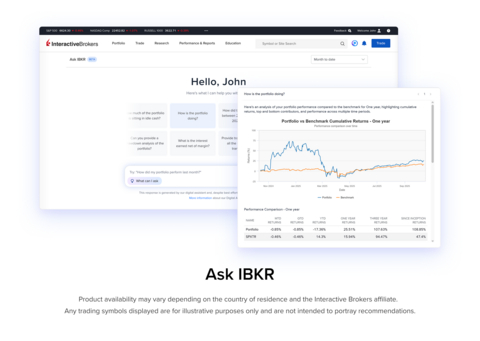
Interactive Brokers

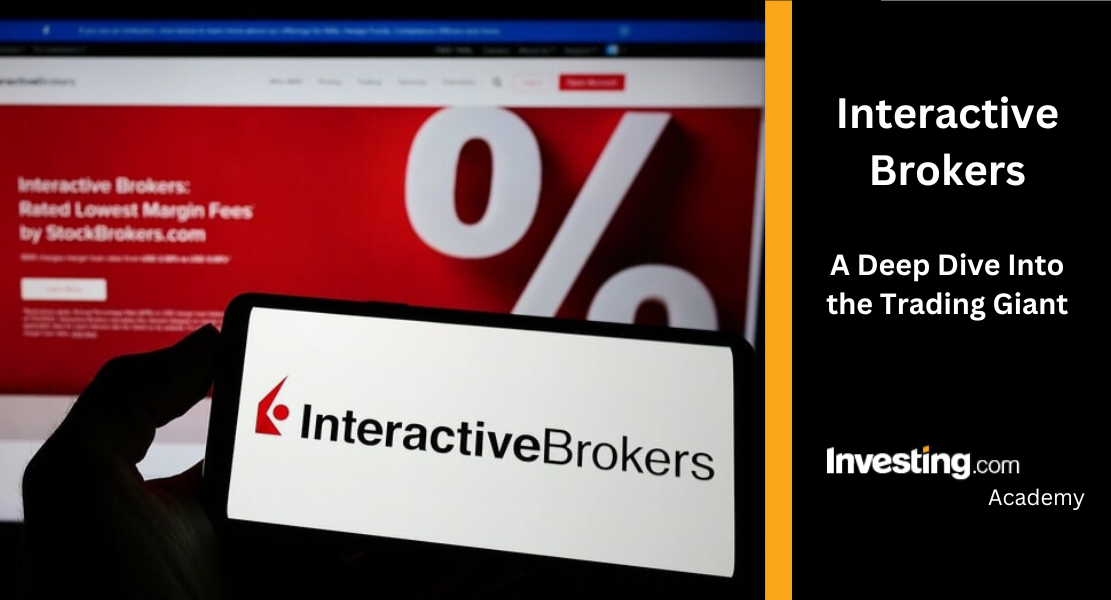
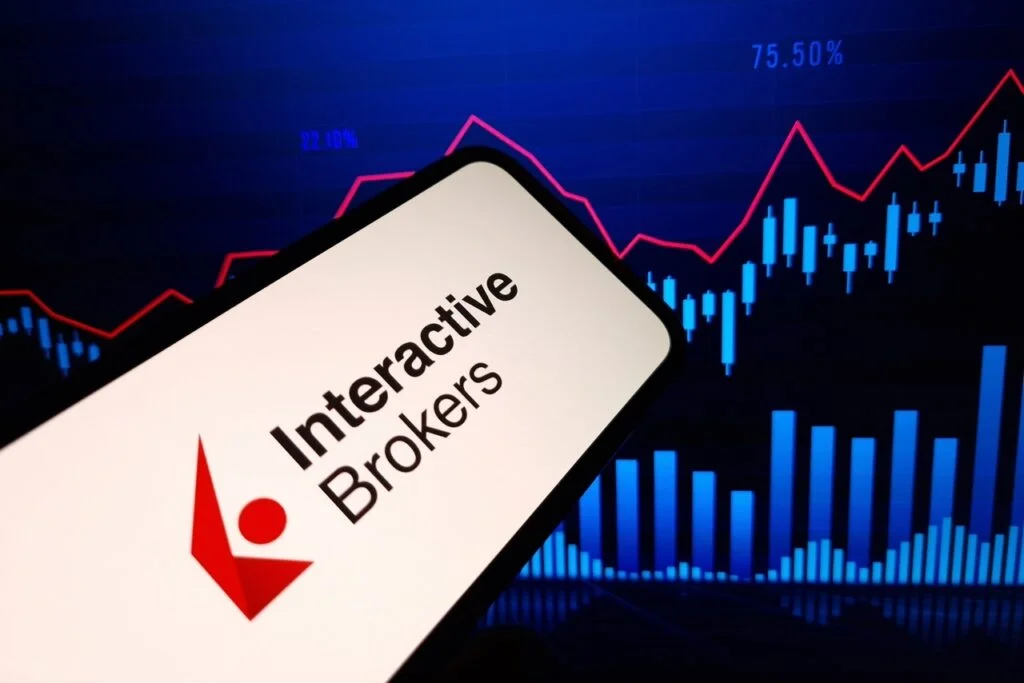
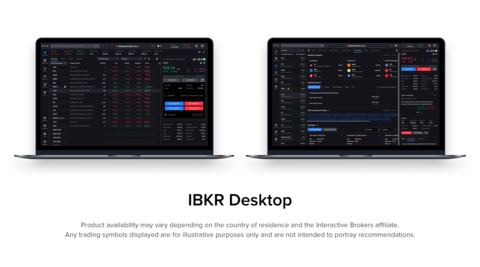
Interactive Brokers (IBKR) is the definitive choice for sophisticated South Korean investors who prioritize institutional-grade infrastructure and direct market access. Unlike retail-focused competitors, IBKR offers a unified platform that connects users to over 150 global markets, including a specialized link to the Korea Exchange (KRX) for KOSPI derivatives and equities. The platform is distinguished by its industry-leading low margin rates and a transparent, tiered commission structure that significantly reduces the cost of high-volume trading. Furthermore, IBKR’s Trader Workstation (TWS) provides an exhaustive suite of algorithmic trading tools and risk management analytics that are unmatched in the retail space, empowering Korean investors to execute complex, multi-currency strategies with maximum capital efficiency.
- Institutional direct access to 150+ global exchanges.
- Industry-leading low margin and commission rates.
- Professional-grade Trader Workstation with advanced analytics.
How to Trade Forex
Getting Started with Forex Trading
South Korean traders can begin forex trading by following these essential steps:
Account Opening Process
- Broker Selection: Choose a properly regulated offshore broker
- Identity Verification: Complete KYC requirements with valid documentation
- Assessment Testing: Pass broker-required trading knowledge evaluation
- Account Funding: Deposit funds using approved payment methods
- Platform Access: Download and configure trading software
Essential Trading Platforms
Most reputable brokers offer multiple platform options: MetaTrader 4 (MT4)
- Industry-standard platform suitable for beginners and experts
- Comprehensive charting tools and technical indicators
- Automated trading capabilities through Expert Advisors
- Mobile and desktop versions available
MetaTrader 5 (MT5)
- Advanced platform with expanded asset coverage
- Enhanced analytical tools and timeframes
- Improved order management system
- Multi-asset trading capabilities
cTrader
- Professional-grade platform with advanced features
- Superior order execution speed
- Comprehensive risk management tools
- Institutional-quality trading environment
Risk Management Strategies
Successful forex trading requires disciplined risk management:
- Position Sizing: Never risk more than 2-3% of account balance per trade
- Stop-Loss Orders: Always use protective stops to limit potential losses
- Diversification: Avoid concentration in single currency pairs
- Leverage Control: Use conservative leverage ratios despite higher availability
Tax Obligations
South Korean forex traders must comply with local tax requirements:
- Income Classification: Forex profits categorized as miscellaneous income
- Tax Reporting: Annual declaration of trading profits required
- Professional Consultation: Seek local tax expert guidance for compliance
Professional Trading Accounts
Experienced traders may qualify for professional account status, offering:
- Higher Leverage: Access to ratios beyond retail limitations
- Reduced Regulatory Protection: Trade-off for enhanced trading conditions
- Qualification Requirements: Proven experience, knowledge, and financial capacity
- Minimum Portfolio: Typically €500,000 or equivalent required
Fund Safety and Protection
Properly regulated brokers provide multiple layers of client protection:
Regulatory Safeguards
- Segregated Accounts: Client funds separated from broker operational funds
- Negative Balance Protection: Prevents account balances from going negative
- Anti-Money Laundering: Strict AML measures prevent fraudulent activities
- Minimum Capital Requirements: Ensures broker financial stability
Verification Process
South Korean traders should verify broker authorization through:
- Official Registries: Check regulator websites for licensed entities
- License Numbers: Verify registration numbers against official records
- Warning Lists: Review regulatory warnings about unauthorized operators
The forex trading landscape in South Korea requires careful navigation of regulatory requirements while accessing global markets through offshore brokers. Success depends on selecting properly regulated brokers, understanding local compliance obligations, and implementing sound trading psychology practices. South Korean traders benefit from competitive offshore broker offerings while maintaining legal compliance through proper due diligence and tax reporting. The combination of strict local oversight and access to international markets creates unique opportunities for disciplined traders who understand both regulatory requirements and market dynamics. By choosing established, well-regulated brokers and following best practices for risk management and compliance, South Korean forex traders can participate effectively in global currency markets while protecting their capital and meeting all legal obligations.