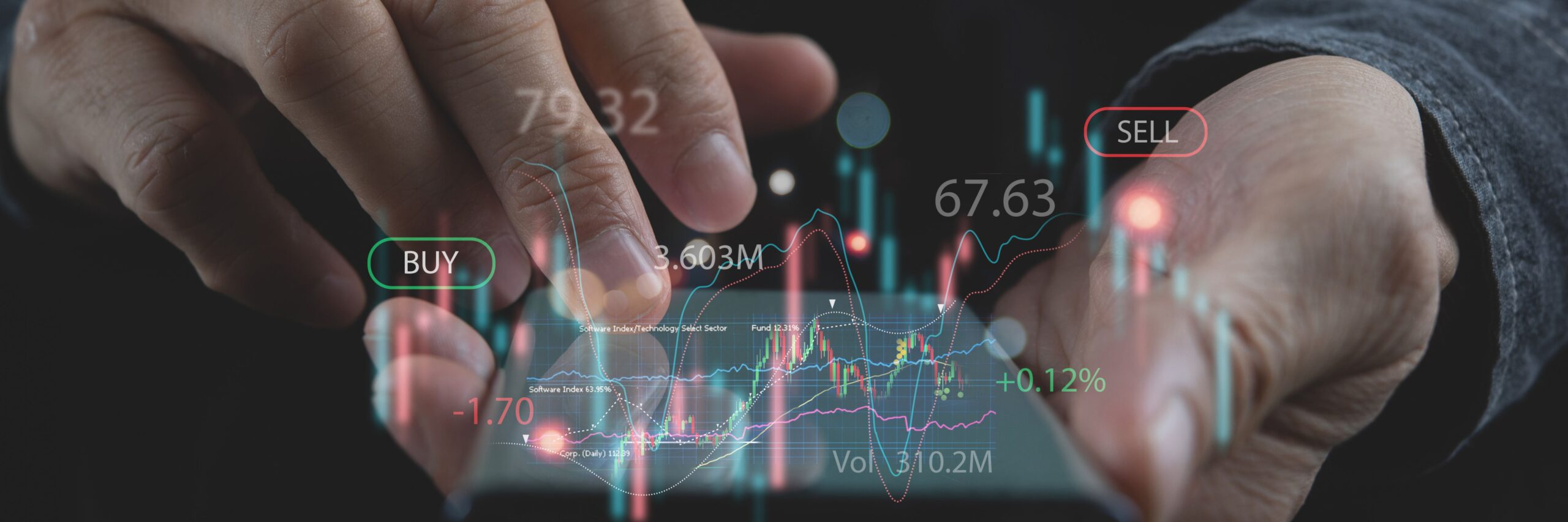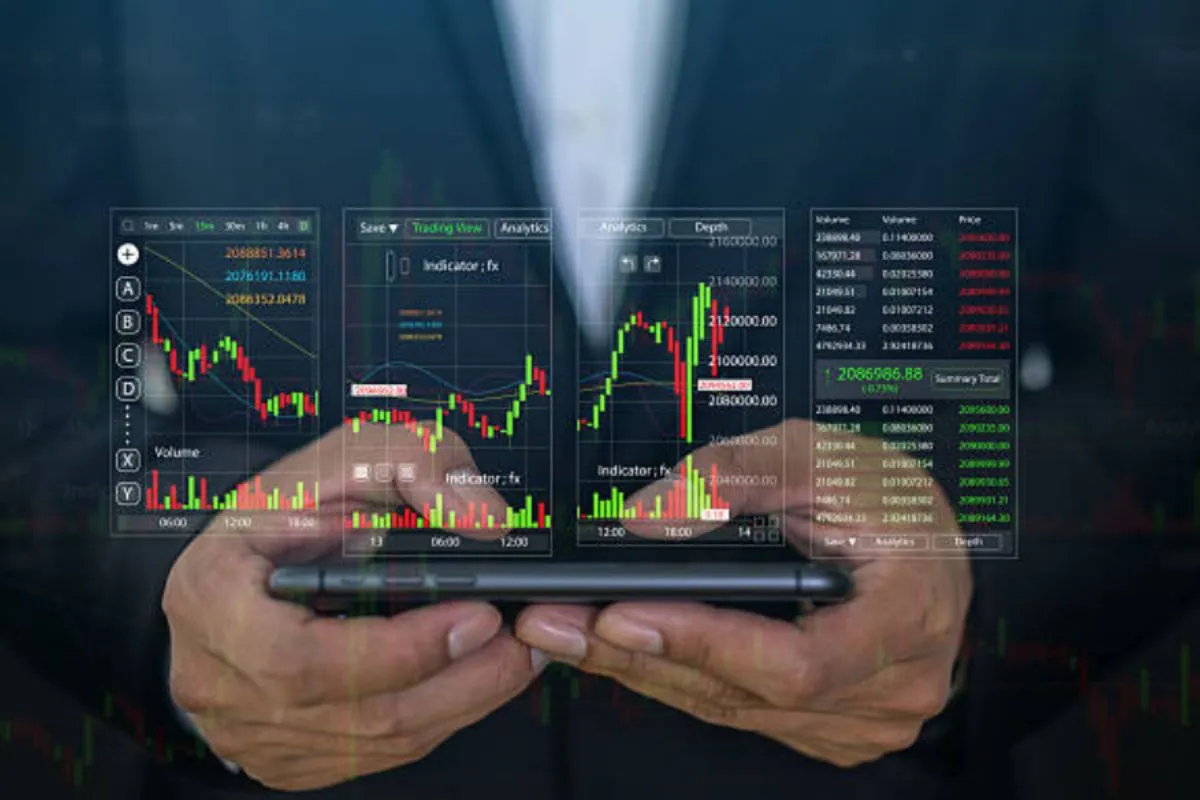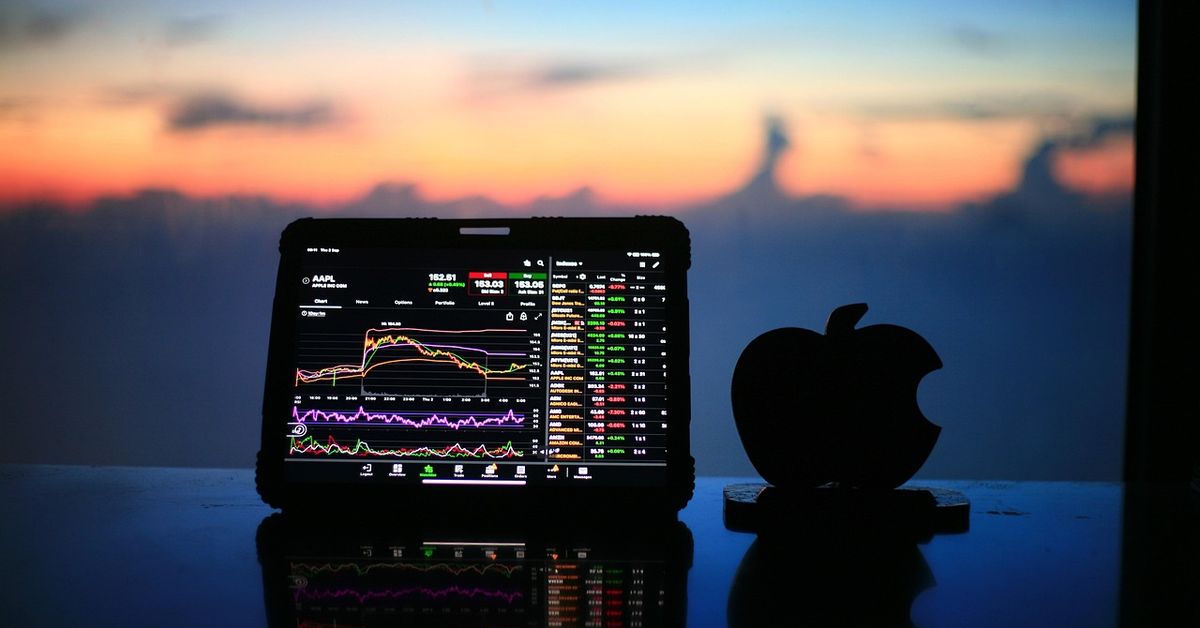
Retail trading has moved from the margins of financial markets into the core of institutional trading activity, according to a new survey conducted by Horizon Trading Solutions. The findings indicate that retail flow now accounts for a substantial share of trading activity handled by institutional brokers and banks.
The survey suggests that retail participation is influencing not only trading volumes but also execution strategies and market infrastructure across asset classes including equities, options, digital assets and micro derivatives.
While estimates often place retail participation in U.S. equity markets between 20 percent and 35 percent of total volumes, the survey indicates that its influence on institutional trading may be significantly broader.
Institutional participants increasingly interact with retail-driven order flow through market makers, liquidity providers and broker networks that connect retail and professional trading activity.
Retail Flow Integrated Into Institutional Trading
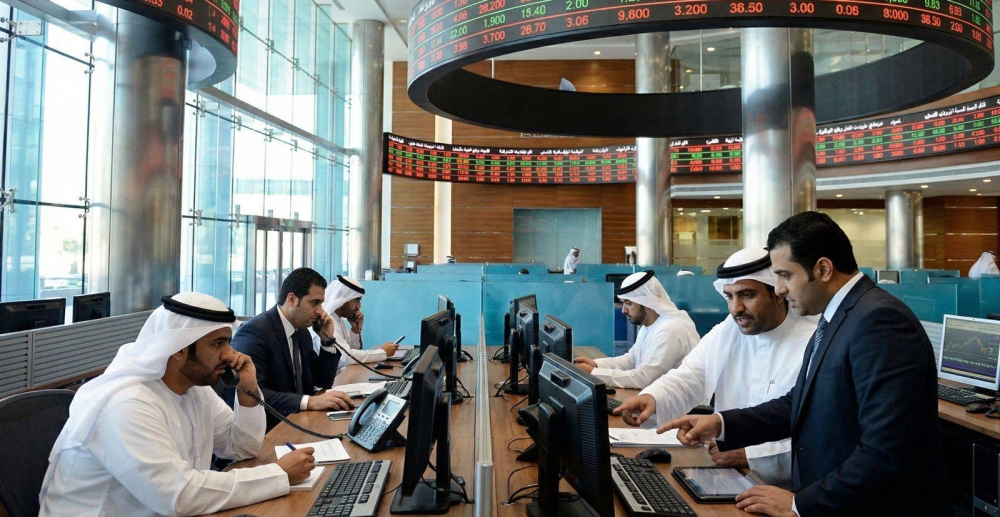
The survey included traders at tier two and tier three banks as well as institutional brokerages. Nearly two thirds of respondents said at least 40 percent of their total trading activity now involves retail flow either directly or indirectly.
Only one percent of respondents reported that retail trading accounted for less than 20 percent of their activity.
The findings suggest that retail order flow is now deeply embedded in the trading ecosystem rather than operating as a separate segment of the market.
Retail orders often reach institutional trading desks through broker routing systems, electronic liquidity providers and market making firms.
These flows can influence price formation and liquidity conditions even when institutional traders are not interacting directly with individual investors.
As a result, the survey suggests that retail trading activity now shapes institutional market behavior in ways that extend beyond headline volume statistics.
Execution Strategies Adapting to Retail Participation
The growth of retail participation has prompted changes in how institutional traders manage order execution.
Close to three quarters of survey respondents said that rising retail activity has required them to adjust their execution strategies.
Nearly one third said retail participation has fundamentally changed how they trade.
Retail trading tends to produce smaller order sizes and different timing patterns compared with traditional institutional flows.
Institutional traders may therefore adapt algorithms, liquidity sourcing strategies and risk management practices to account for these patterns.
The presence of retail flow can also affect short term price dynamics, particularly during periods of high activity or strong market sentiment.
Market participants may adjust execution tactics to capture or avoid these effects depending on their trading objectives.
Impact on Market Infrastructure
The influence of retail trading extends beyond trading strategies into the structure of financial markets.
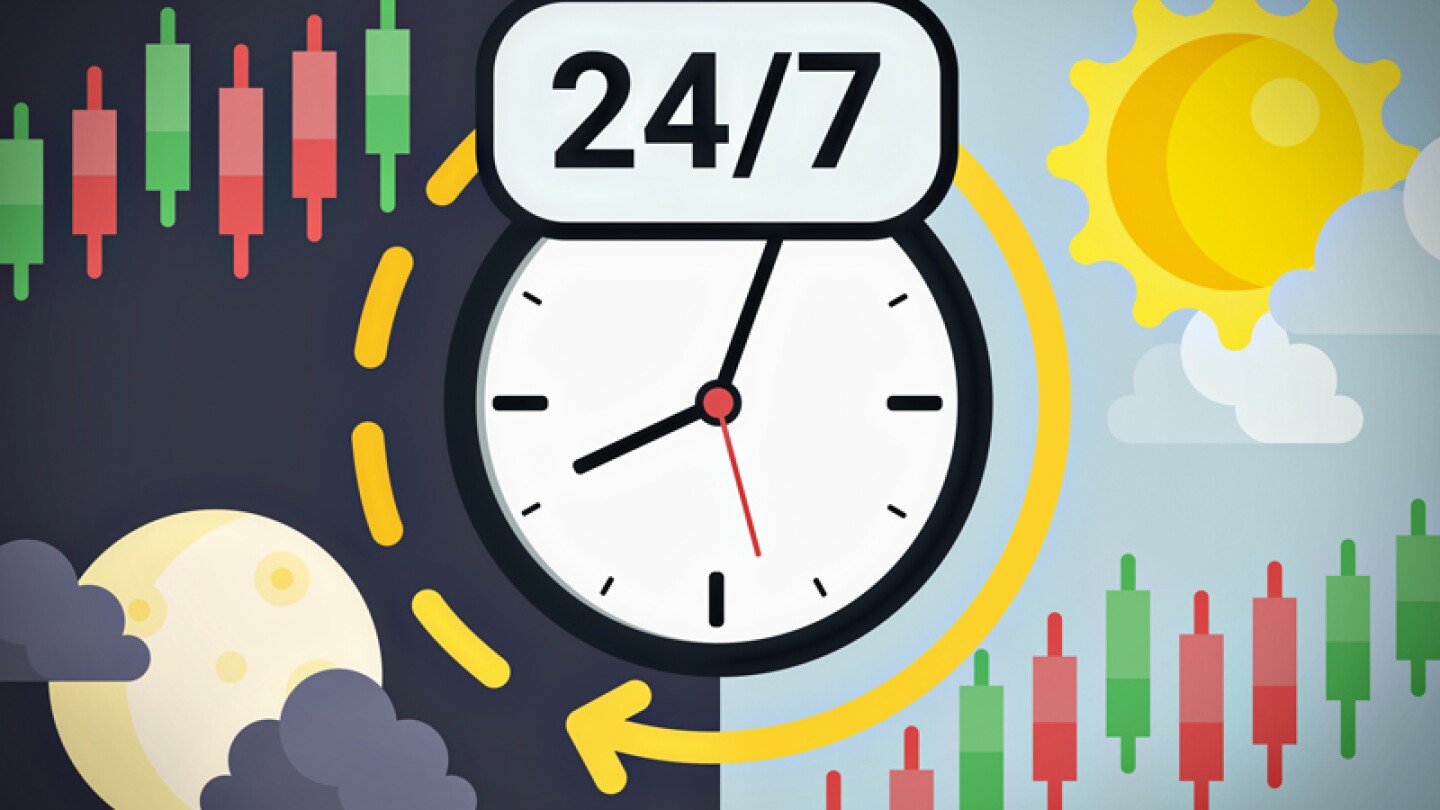
When asked which retail driven development would have the largest impact on institutional trading, survey respondents identified extended trading hours as the most significant factor.
Twenty five percent of respondents said longer trading hours would have the greatest impact on institutional market participants.
Extended trading sessions allow retail investors to respond to news and market developments outside traditional market hours.
This trend has prompted exchanges and trading platforms to explore longer trading windows, particularly in equity markets.
Global retail participation ranked second among expected drivers of market change.
Twenty one percent of respondents said broader retail participation across international markets would significantly influence institutional trading activity.
Crypto and Fractional Trading Influence Market Evolution
Retail investors have also driven growth in markets that were previously dominated by institutional participants.
Digital asset trading platforms have attracted large numbers of individual investors, contributing to the development of new trading products and infrastructure.
In the survey, 15 percent of respondents identified cryptocurrency trading as a retail driven development that could significantly influence institutional markets.
Fractional trading also received 15 percent of responses.
Fractional shares allow investors to buy portions of individual stocks rather than entire shares, lowering the barrier to participation in equity markets.
This model has become common among retail trading platforms and may influence liquidity patterns in equity markets.
Prediction markets were viewed as less influential, with eight percent of respondents identifying them as a potential driver of institutional change.
Restrictions on certain types of derivative products in some jurisdictions may limit the role of prediction markets in mainstream financial trading.
Retail Participation Viewed Positively by Institutions
Despite periods of volatility associated with retail trading, institutional participants surveyed generally viewed retail participation as beneficial for financial markets.
High profile events such as the trading activity surrounding GameStop in 2021 drew attention to the impact of retail investors on market prices.
However, the survey indicates that most institutional traders see retail activity as a structural feature of modern markets rather than a temporary phenomenon.
Retail participation can increase liquidity and provide additional counterparties for institutional trading strategies.
At the same time, the presence of retail flows may require institutions to develop more sophisticated analytical tools and execution methods.
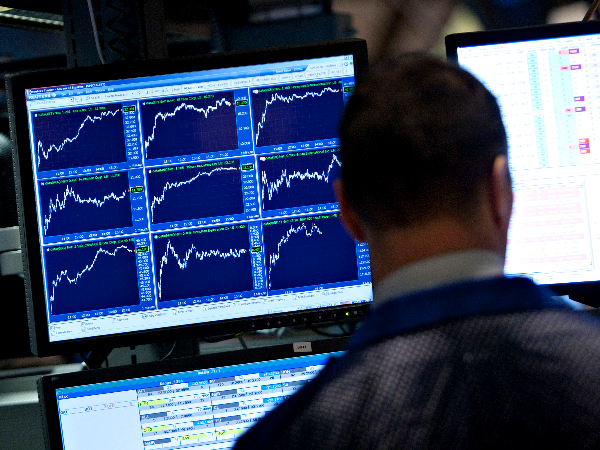
Institutional trading firms increasingly invest in technology capable of analyzing large volumes of market data to identify trading opportunities and manage risk.
Technology and Data as Competitive Factors
As retail activity becomes more integrated with institutional trading, technology and data infrastructure are becoming important competitive factors.
Trading firms that can analyze retail flow patterns and adapt execution algorithms may gain advantages in liquidity management and price discovery.
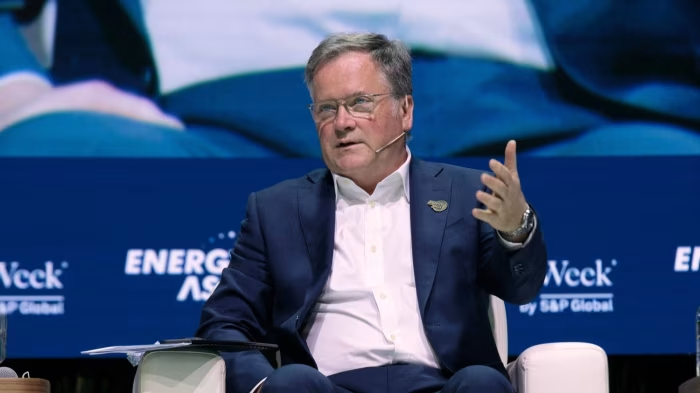
Sylvain Thieullent, chief executive of Horizon Trading Solutions, said the growth of retail participation is shaping market infrastructure.
“Retail trading is not just a feature of financial markets – it’s actively shaping infrastructure and liquidity dynamics for all market participants,” Thieullent commented.
He added that institutions that invest in advanced data analysis and automation may benefit from these changes.
“Institutions that invest in better data, smarter automation and more flexible infrastructure will be best positioned to benefit from this shift,” Thieullent said.
Structural Change in Global Markets
The expansion of retail trading reflects broader changes in how individuals interact with financial markets.
Online trading platforms, mobile applications and commission free trading models have lowered barriers to participation.
Retail investors now trade across multiple asset classes including equities, options and digital assets.
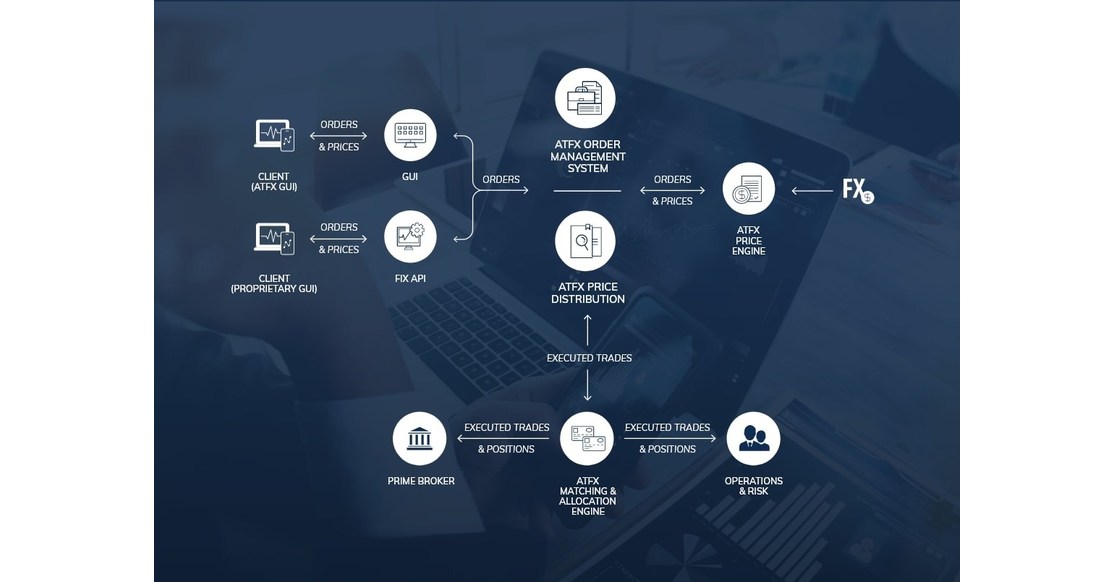
This activity generates order flow that interacts with institutional trading systems through electronic markets and liquidity providers.
As retail participation continues to expand, the relationship between institutional and retail trading is likely to become even more interconnected.
The survey suggests that financial institutions are already adjusting their strategies and technology infrastructure to operate in a market environment shaped partly by individual investors.
Takeaway
The survey highlights how retail trading has become integrated into institutional market activity rather than operating as a separate segment. Institutional brokers and banks increasingly interact with retail order flow through market makers, liquidity providers and electronic trading systems. As retail participation expands across equities, options and digital assets, institutions are adjusting execution strategies and investing in technology capable of analyzing retail driven market behavior. The findings suggest that individual investors are playing a growing role in shaping liquidity patterns, trading infrastructure and market structure across global financial markets.