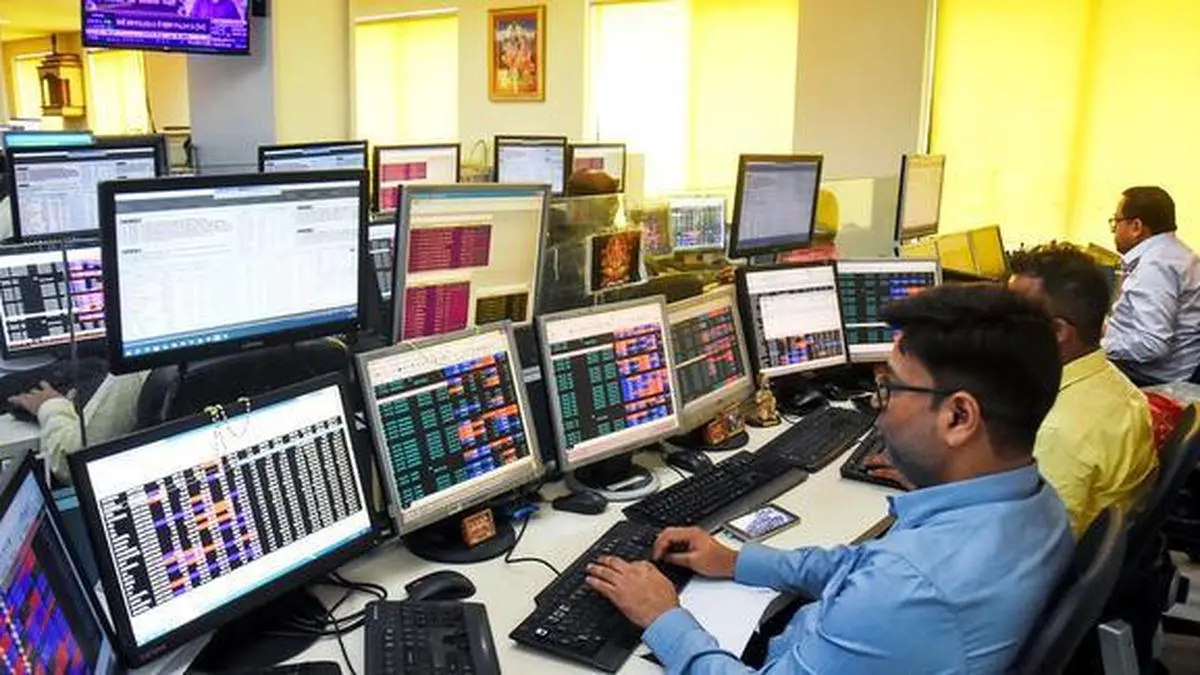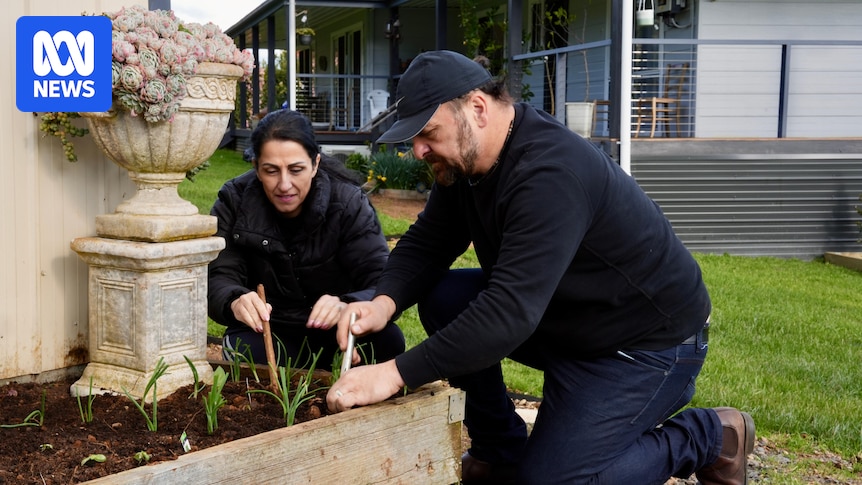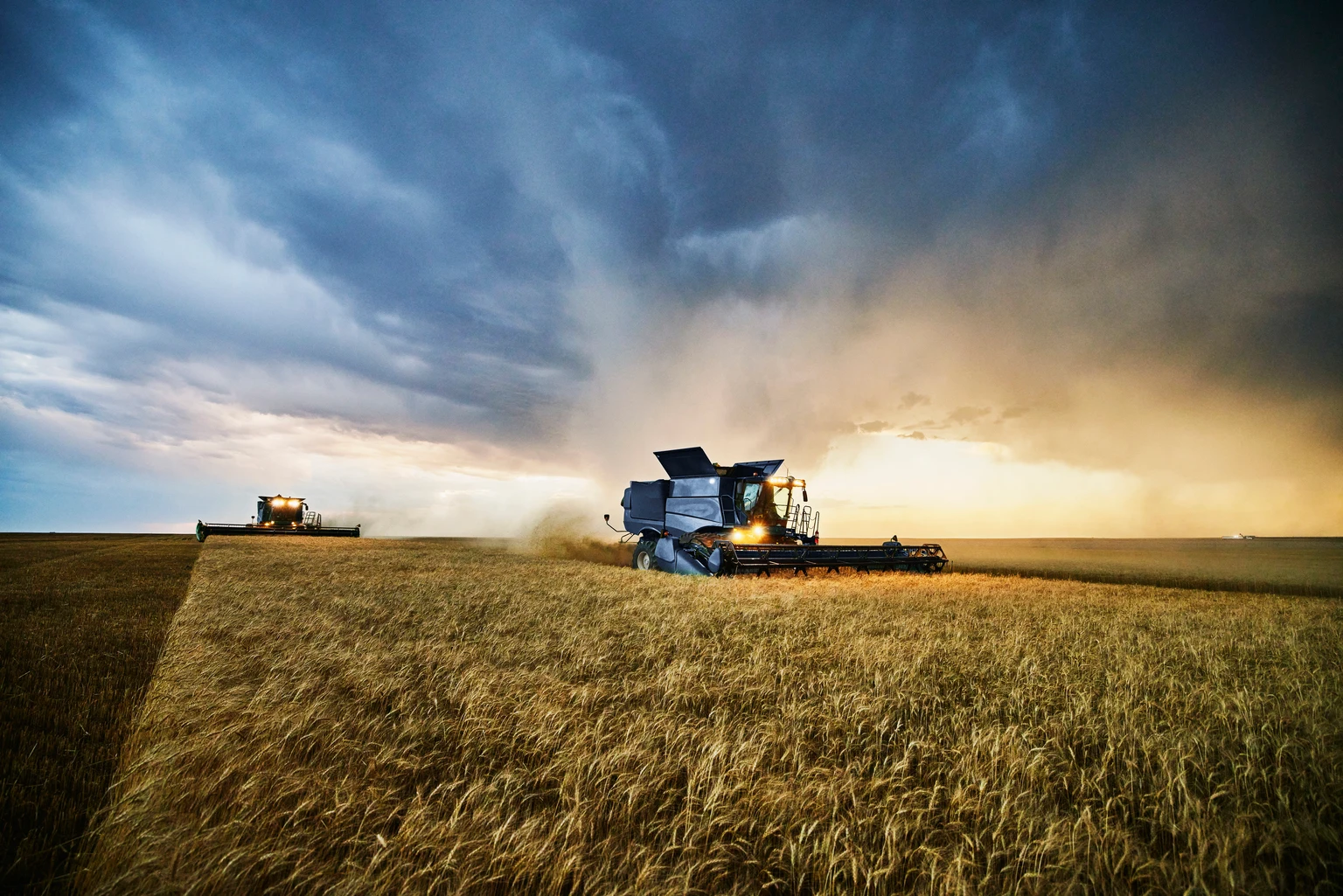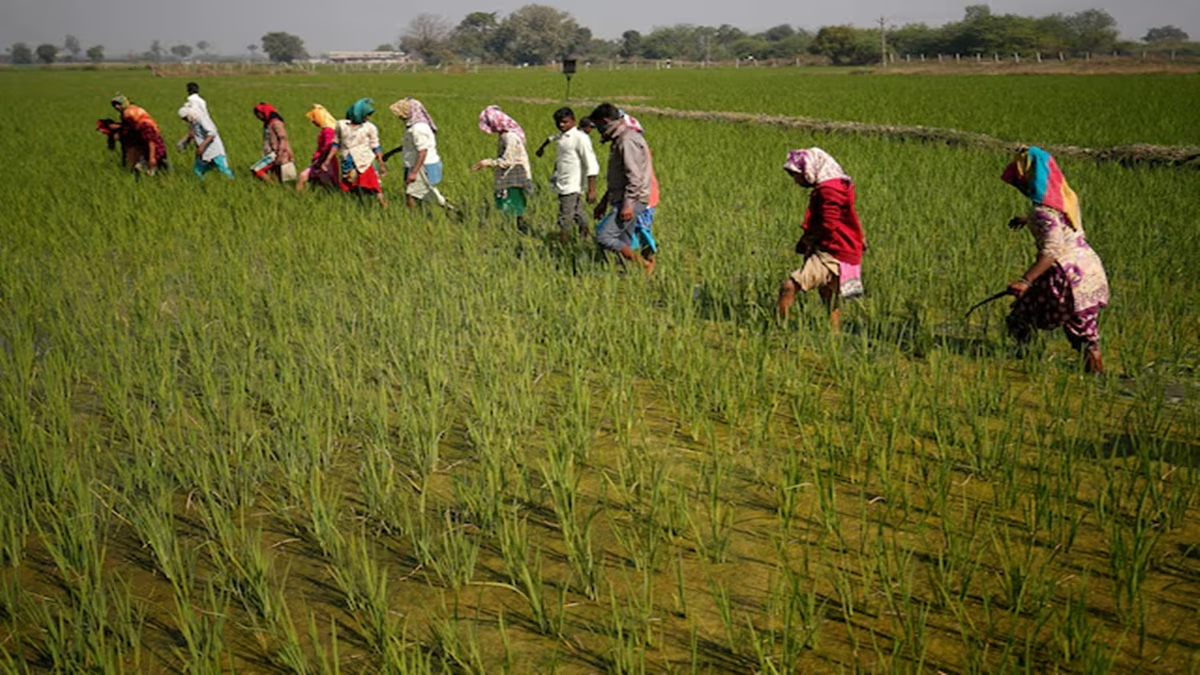
Farming, as a business, is entering a period of uncertainty and change.
For years, the industry has been directed by the Common Agricultural Policy and supported by Single Farm Payments. It seems we are soon to be outside this protection net and left to our own devices, as a consequence of which farmers will need to become more focused on price sensitivity and risk management, helping the strong and informed to prosper.
We are seeing a shift in behaviour and a realisation that post-Brexit effects on the farming community are going to be significant, especially with levels of government support expected to be reduced from 2019 onwards. Many look to the examples of Australia and New Zealand who went through a similar upheaval, where initial horror has been overcome by increased efficiency and awareness.
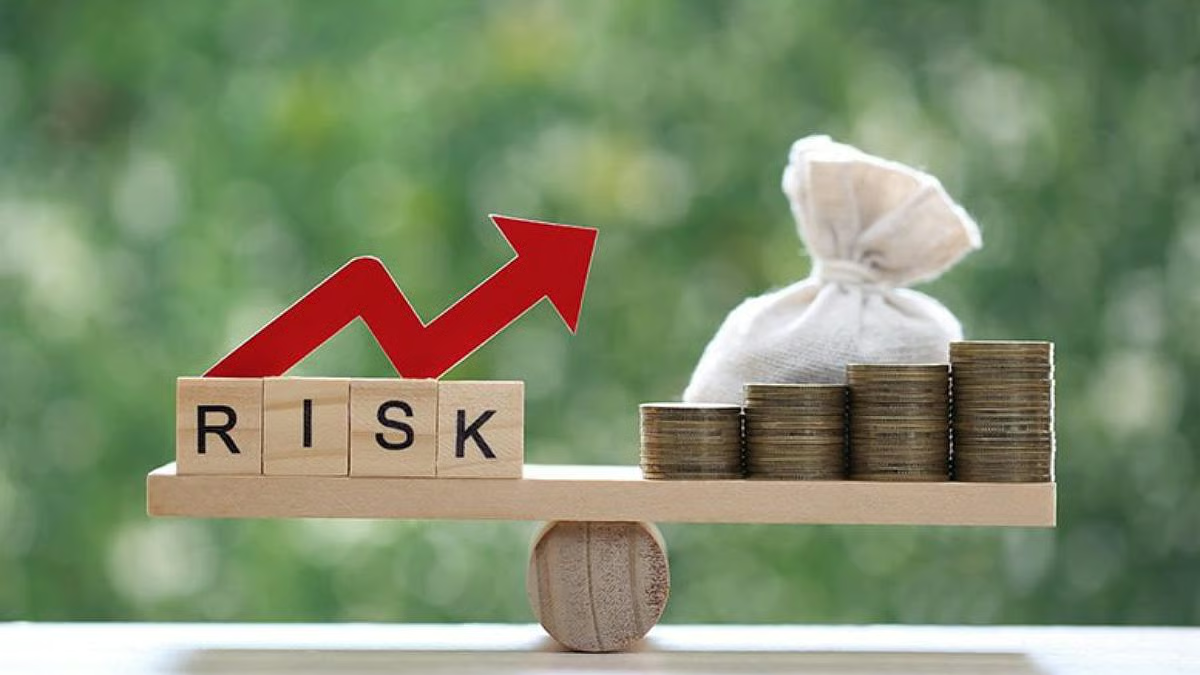
In the modern world, with input and production cost soaring and tight commodity prices, it is crucial to control the variables, where and when you can. Volatile prices in foreign exchange, fuel, fertilizer, interest rates and the underlying commodity price need to be studied and managed.
Farmers who have traditionally hedged their grain price by forward selling to a merchant are understanding they need to spread their counterparty risk and attain the keenest price available.
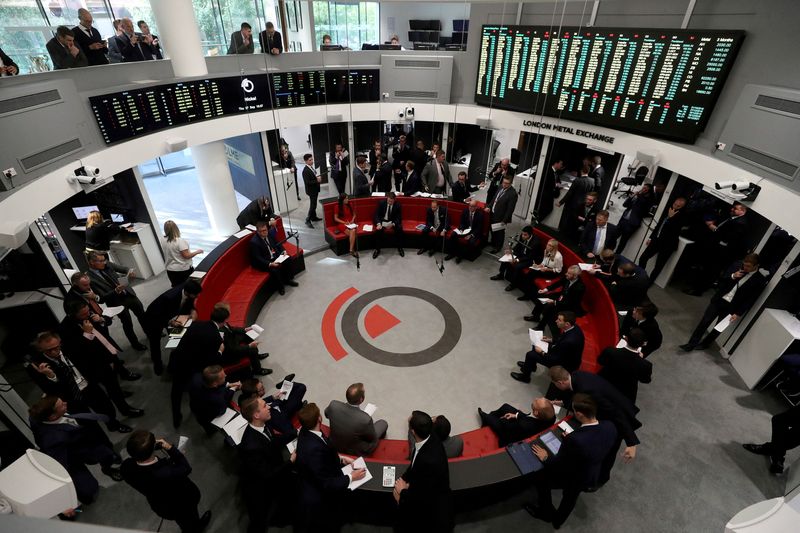
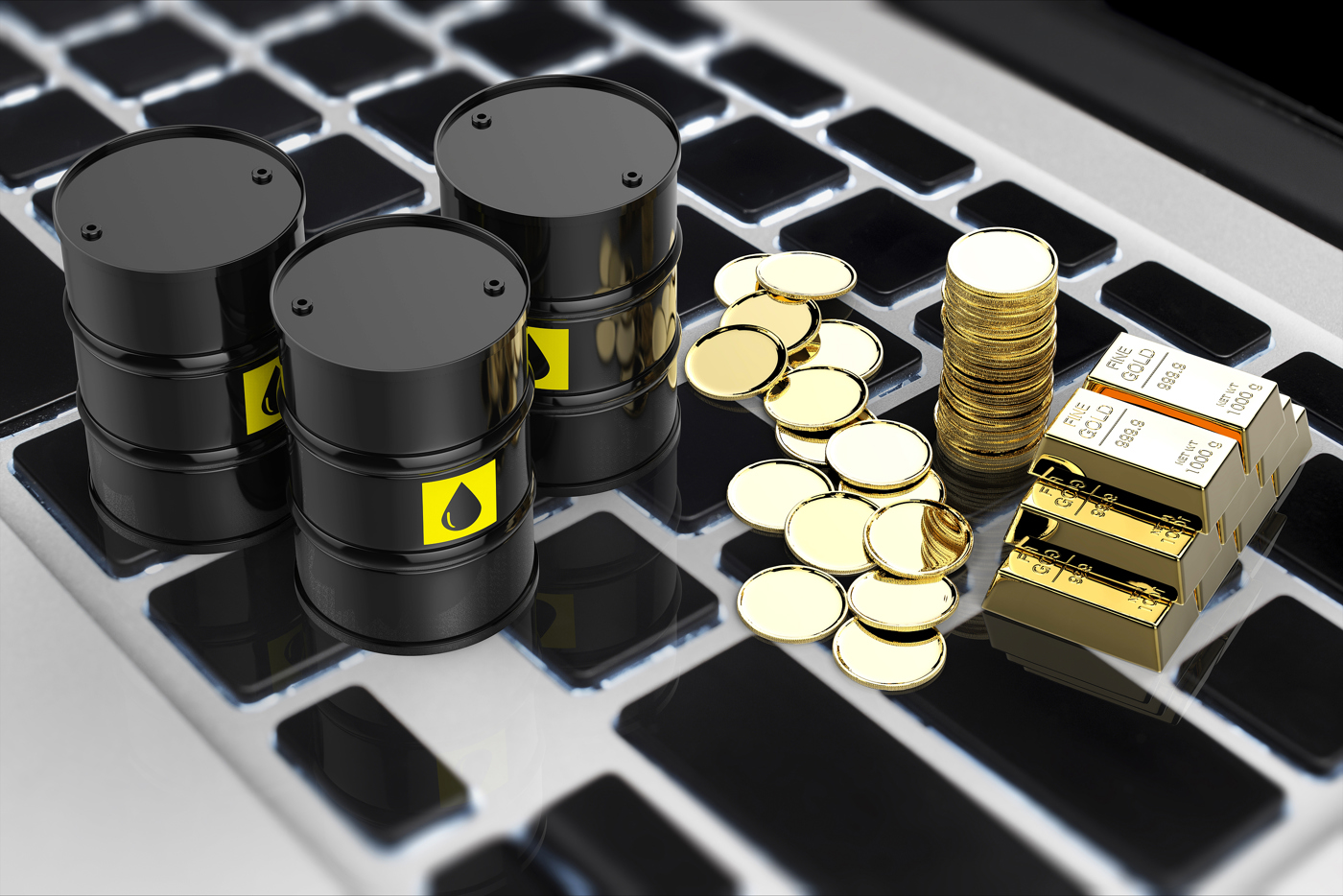
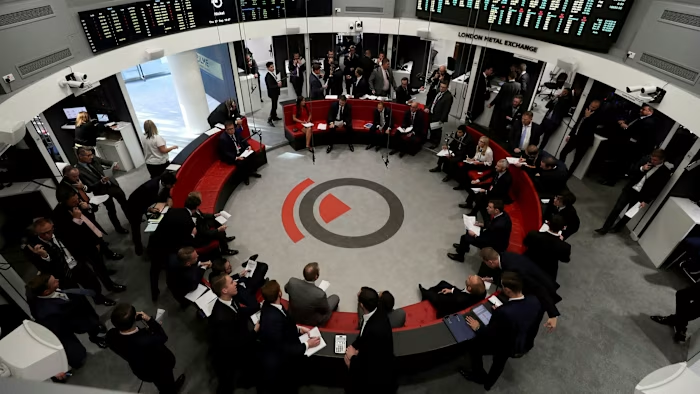
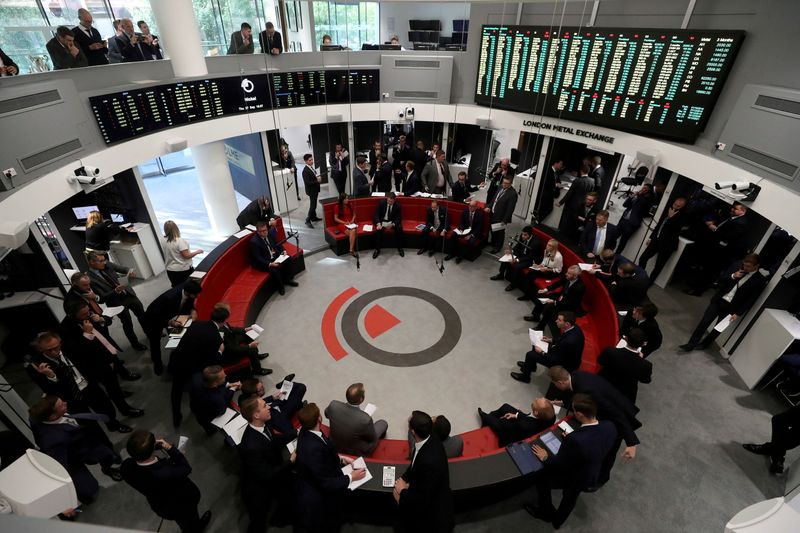
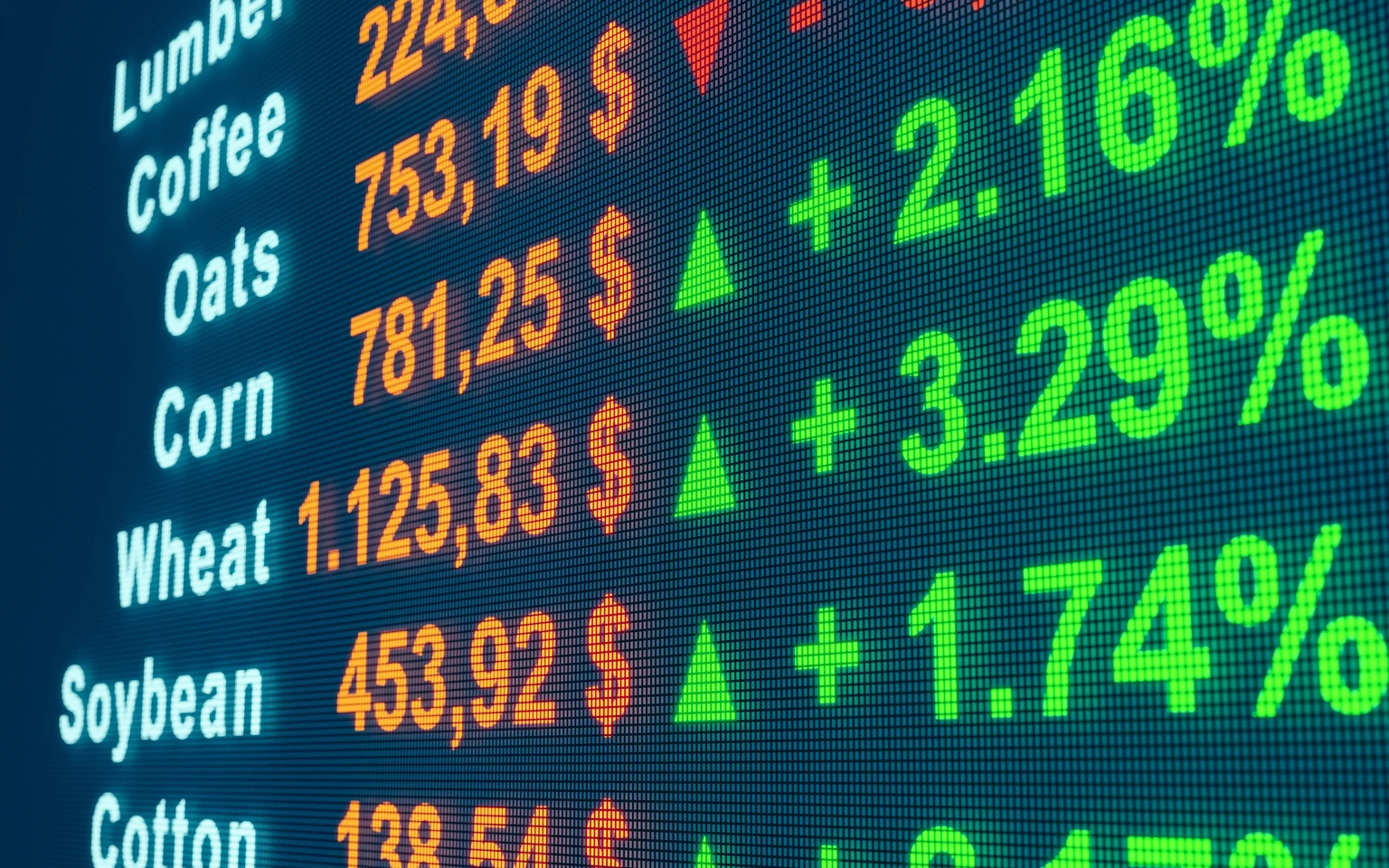
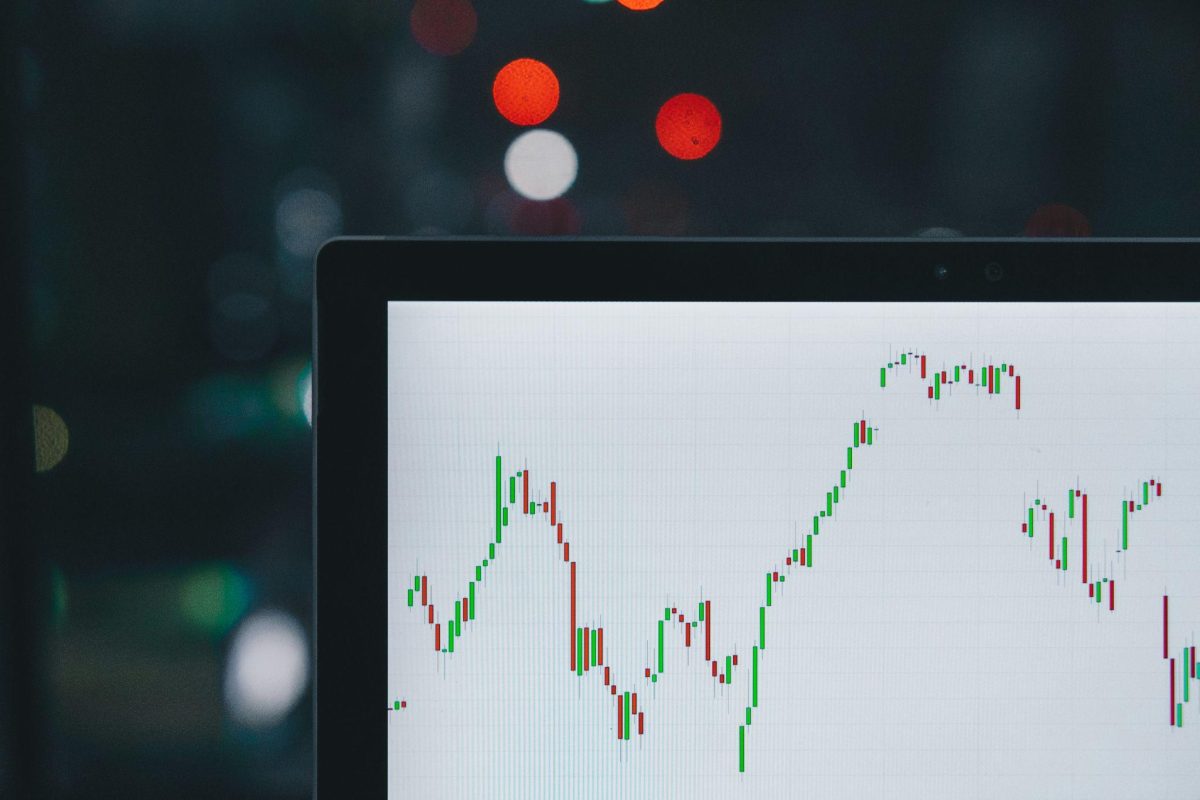
In the same way that global businesses hedge their risk through the financial and commodity exchanges, we are finding that many farmers are now looking to the same markets to help manage price risk within their own business. The exchanges offer liquidity, transparency and security and these exchanges may be accessed through well-funded and regulated brokers.
Futures and options can be used to help manage your risk, not for speculation, but control.
For example:
The current price of November Wheat is trading around £140 per tonne. A farmer may not feel that the price has attained its optimum level but is fearful of seeing the market fall back to the lows of last year.
In this situation it may be wise to put a floor on the downside risk, whilst remaining open to further upside potential. Here you could buy a ‘put’ option, (the right but not obligation to sell), each one being for 100 tonnes of wheat. In effect you buy ‘insurance ‘ against the downside but still have the ability to sell your crop at a higher price if achieved at a later date.
Below you will see the current cost of this protection which is multiplied by 100 to give you the cost per 100 tonne contract.
Currently (May 3) farmers are looking at November 2017 Wheat price of £140.25 per tonne.
‘At The Money’ Put options at £139 cost £5.75 and ‘Out of The Money’ at £137 = £4.80 and £135 = £3.95.
‘At The Money’ Call options at £140 cost £6.50 and ‘Out of The Money’ at £142 = £5.60 and £144 = £4.80.
Unlike a futures contract the buyer of an option pays an initial premium, not dissimilar to the premium you would pay for an insurance policy, there would be no further calls for funds on such a position, whatever happened in the market. These options are traded on the exchange and cleared at the clearing house.
Tom Barclay is a commodity and FX broker with Berkeley Futures Limited in London.