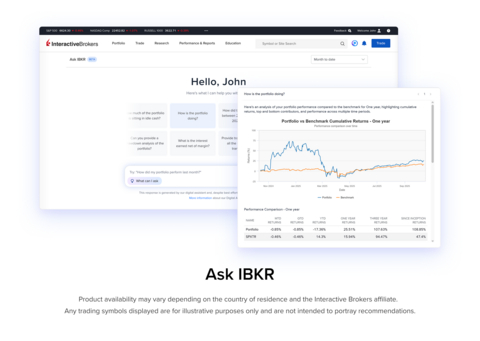
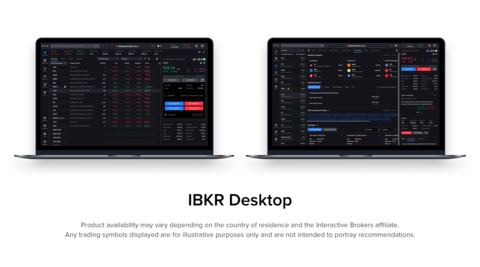
Interactive Brokers’ business strategy has long been rooted in efficiency, automation, and superior order execution, and there’s very little that would point toward a deviation from this foundation. While the company has broadened its reach by allowing a quickly growing retail clientele to tap into its global platform, it has done so without the addition of high-touch client services that investors expect from its largest US peers, Charles Schwab and Fidelity. We view the firm’s recent success with active retail traders as largely incremental, with those customers self-selecting onto Interactive Brokers’ platform for its superior order execution, low margin lending rates, and access to more than 160 global exchanges, 36 countries, and 28 currencies (with low-cost currency exchange) as of the end of 2024. It’s exceedingly likely that many retail clients maintain relationships with Interactive Brokers’ larger peers, with the firm deliberately eschewing services like asset and wealth management that tend to be higher touch and which directly compete with its large, institutional customer base, but we see few economic incentives for the largest firms to attempt to replicate Interactive Brokers’ offering.