Trading commodity stocks vs. commodities
Commodity trading is based on the price of the underlying commodity itself. On the other hand, commodity stocks are just linked to the physical commodity’s performance in the market.
Commodity prices are generally influenced by supply and demand, weather patterns, or economic and political changes. Getting exposure to stocks is different from taking a position on the commodity itself.
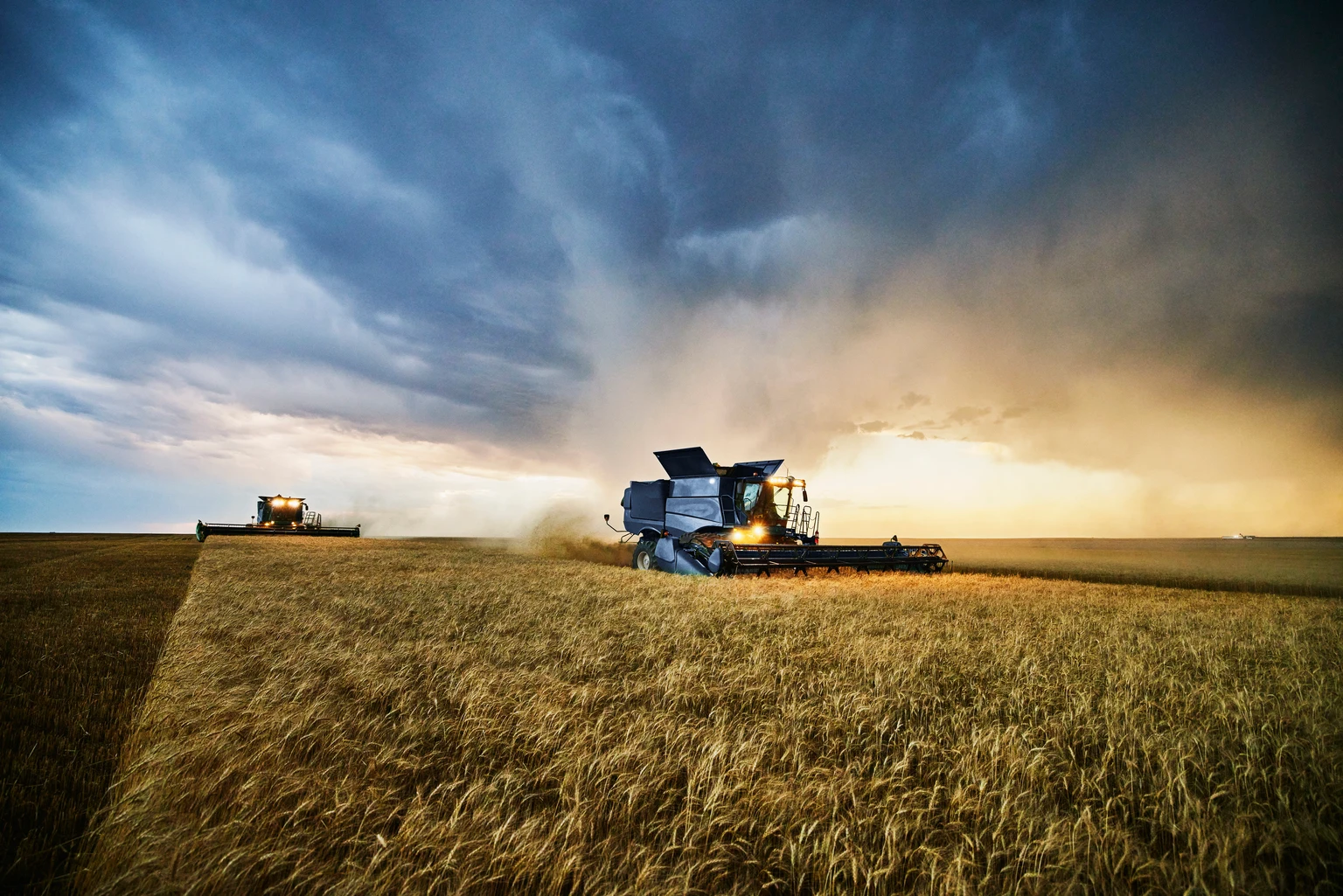
Depending on the type of commodity, the price tends to go up or down based on certain global climate changes that are conducive to nurturing certain raw materials – which sees the demand surge.
Similarly, when there’s political or economic instability or unfavourable weather conditions to crops, soft commodity share prices drop. Also, when people scramble for natural gases and precious metals during times of uncertainty – the price of hard commodities tends to rise.
You can decide to trade individual company shares, but you can also trade exchange-traded funds ETFs or funds that track a basket of commodity shares. While the stock price will trend based on the condition that influence the commodity, there’ll be other external factors that influence the trajectory of the company’ share price.
For example, the price of oil and stocks generally display an inverse relationship, with a rise in the commodity price linked to a weakening stock market. Typically, varying fundamental analysis metrics like price-to-earnings (PE) ratio tend to make stocks a viable hedge against changes in commodity prices.