The shifting prime brokerage landscape
This transformation has been accelerated by a series of shocks and shifts in global capital markets. The collapse of Archegos Capital Management in 2021 wiped out $US36 billion in paper wealth and inflicted over $US10 billion in losses on lenders, exposing critical gaps in risk oversight by some of the world’s largest investment banks. Meanwhile, the retreat of Credit Suisse and several bulge-bracket firms from certain prime brokerage services has left many smaller institutional investors and family offices scrambling for alternatives.
“Events like these have made institutional investors question the traditional reliance on large banks,” says Klynhout. “It’s not just about service quality anymore – it’s about avoiding the risk of being deprioritised, dropped suddenly, or hit with unexpected cost increases.”
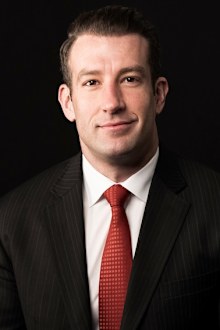
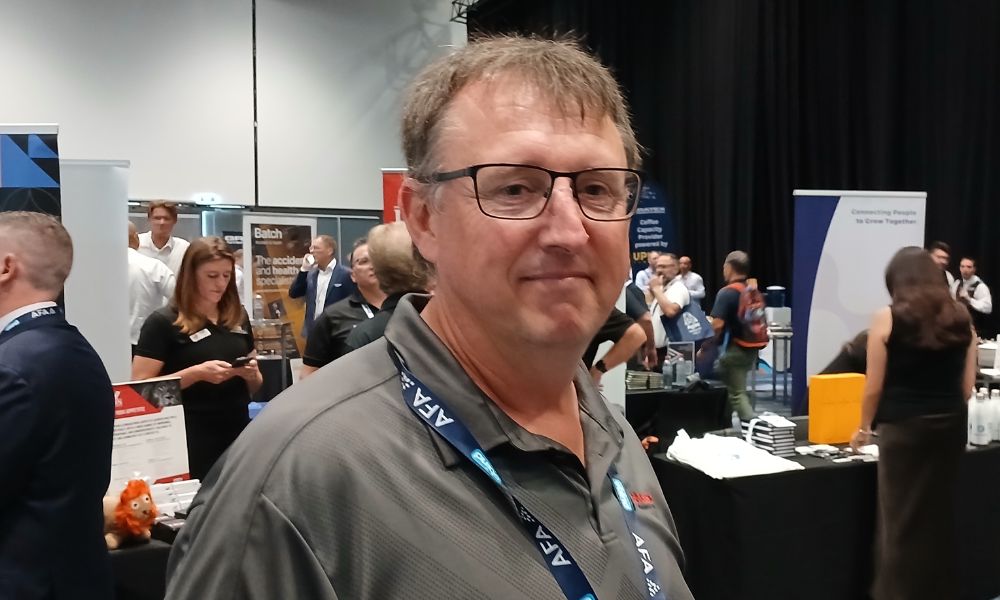
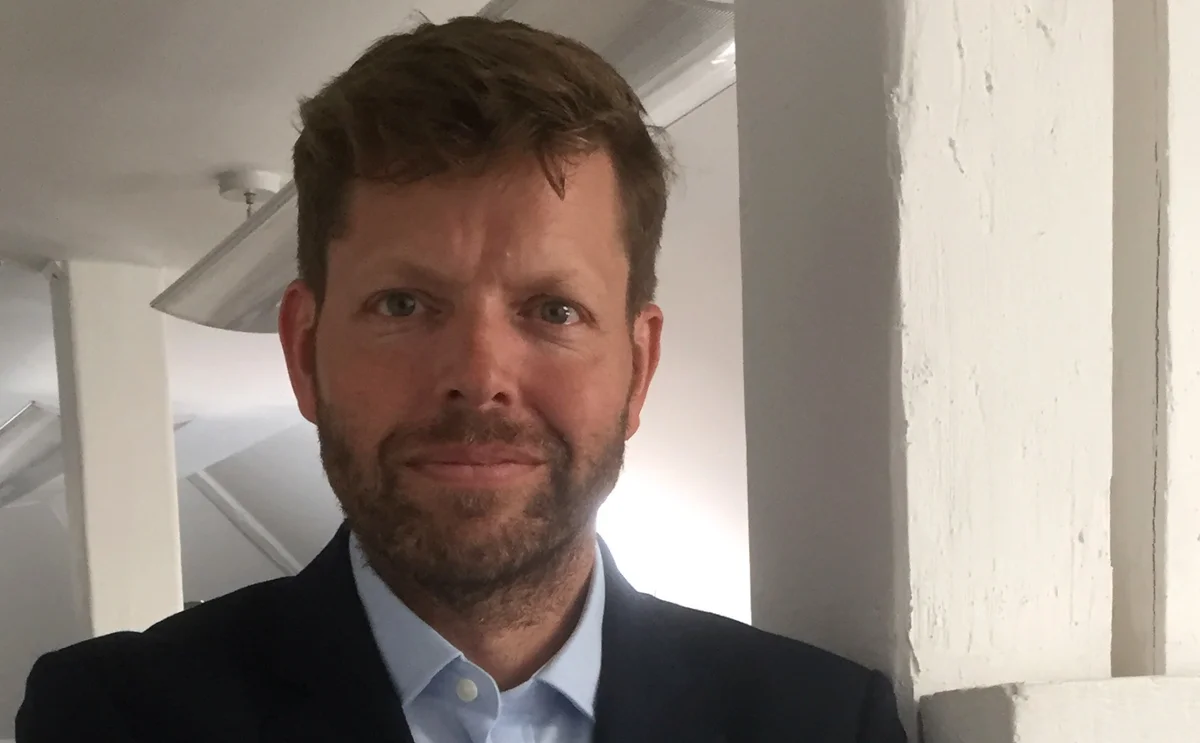
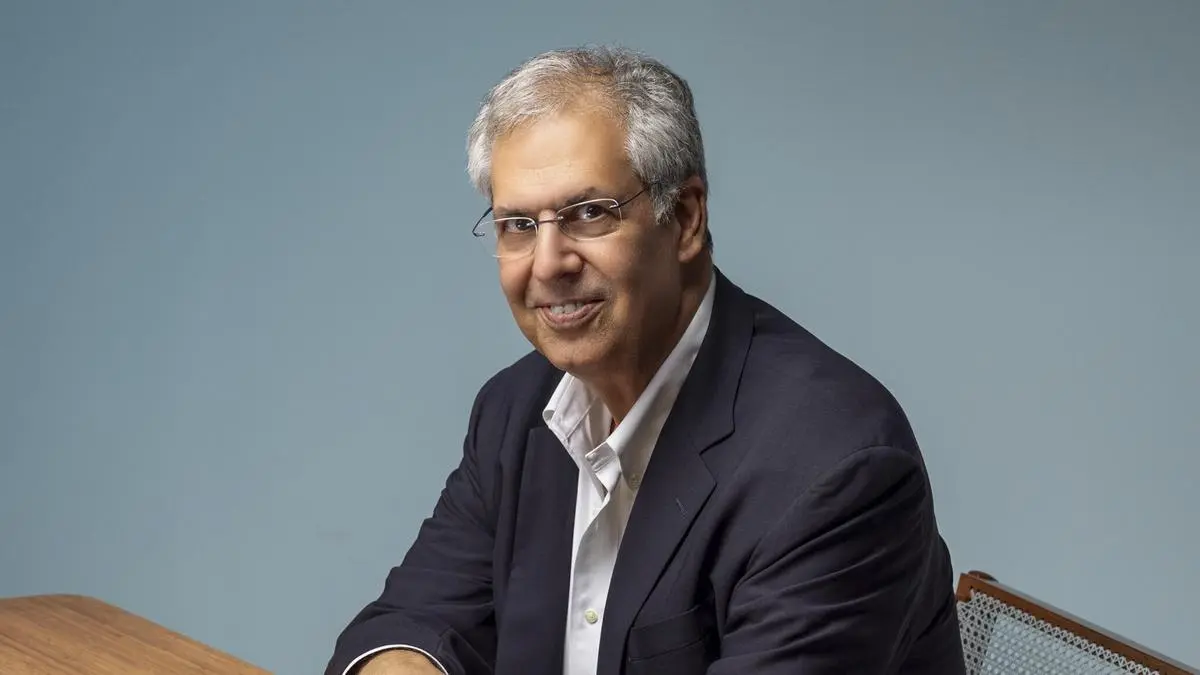
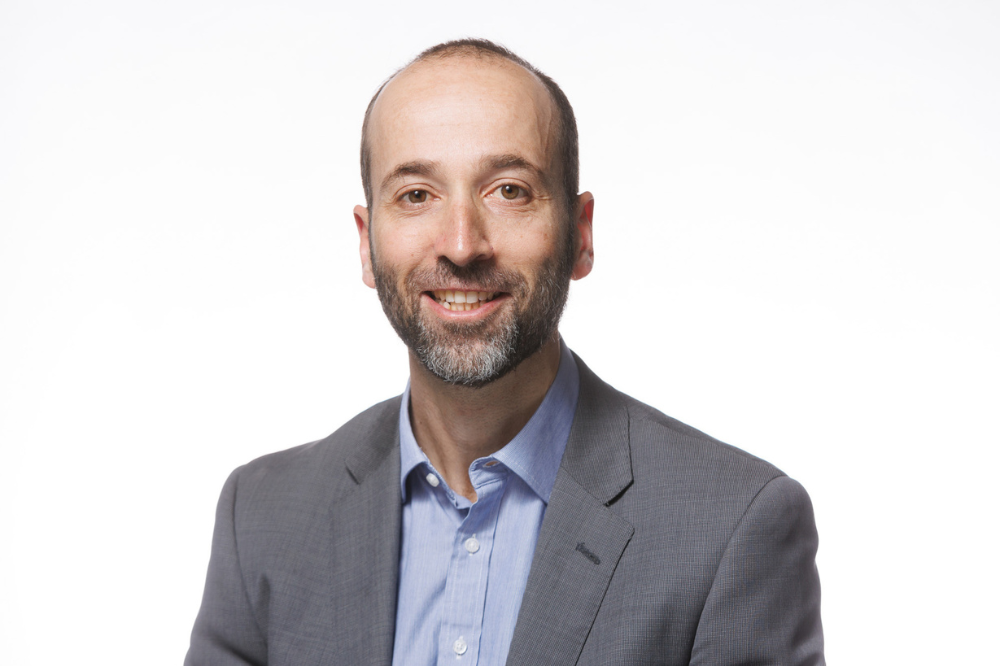
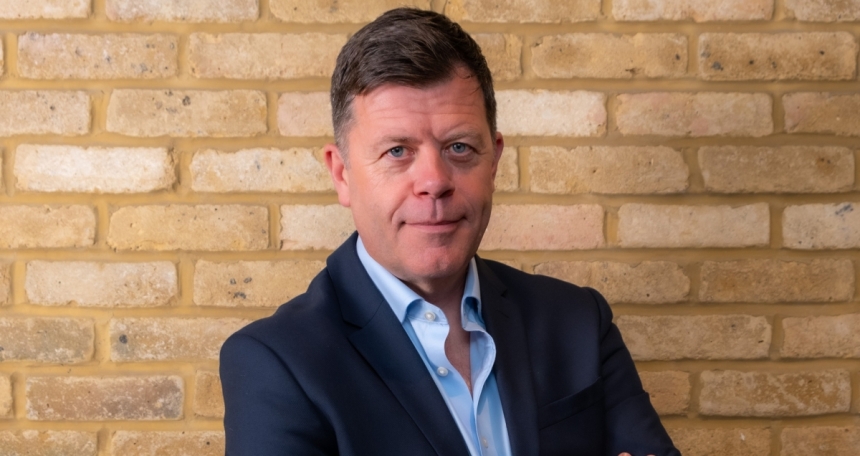
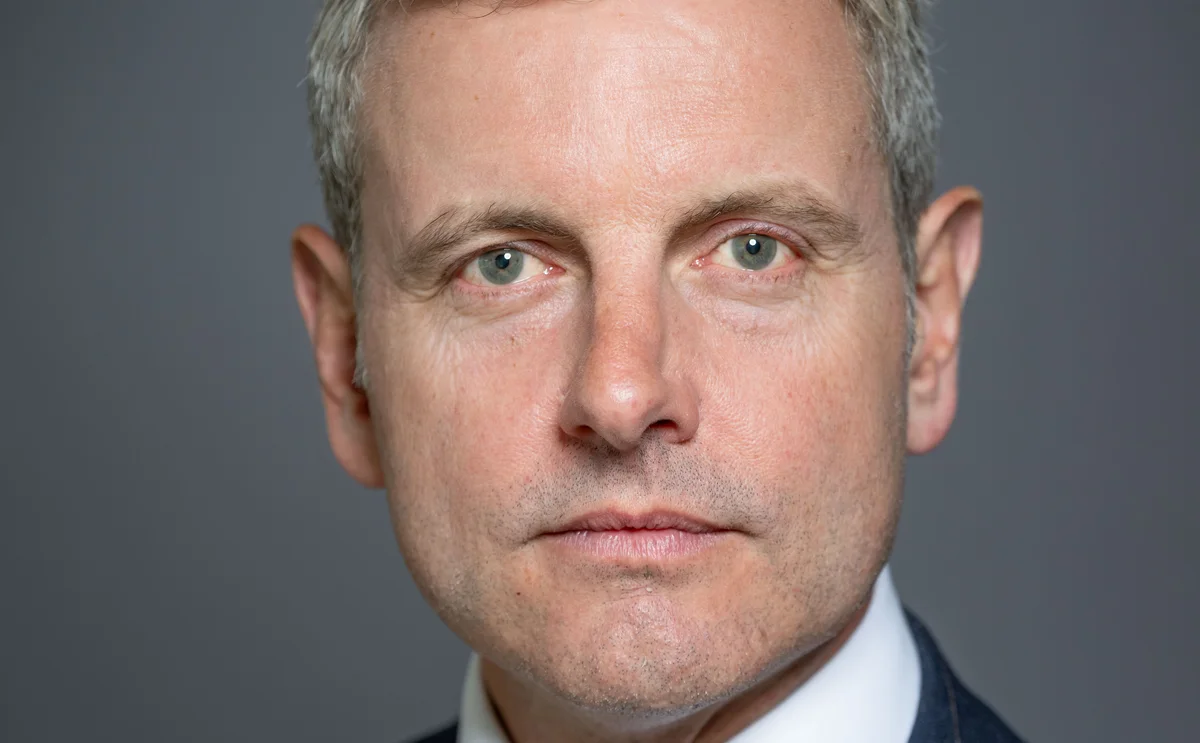
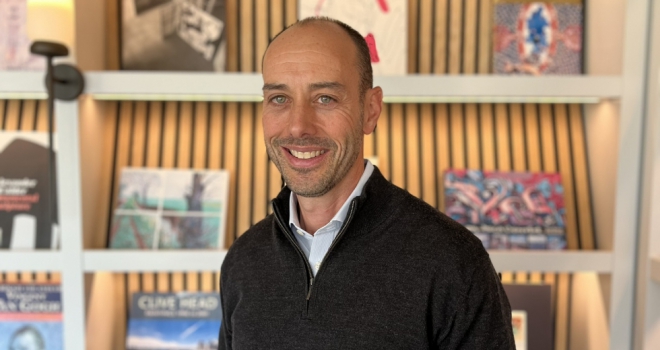
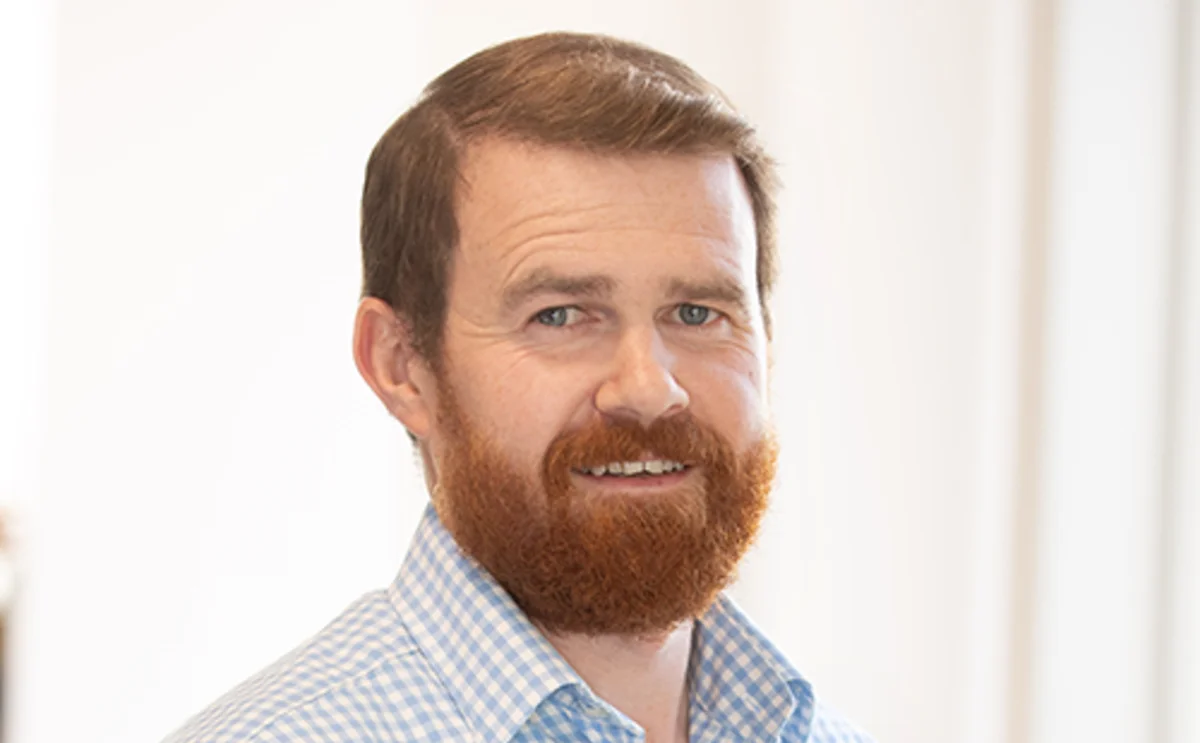
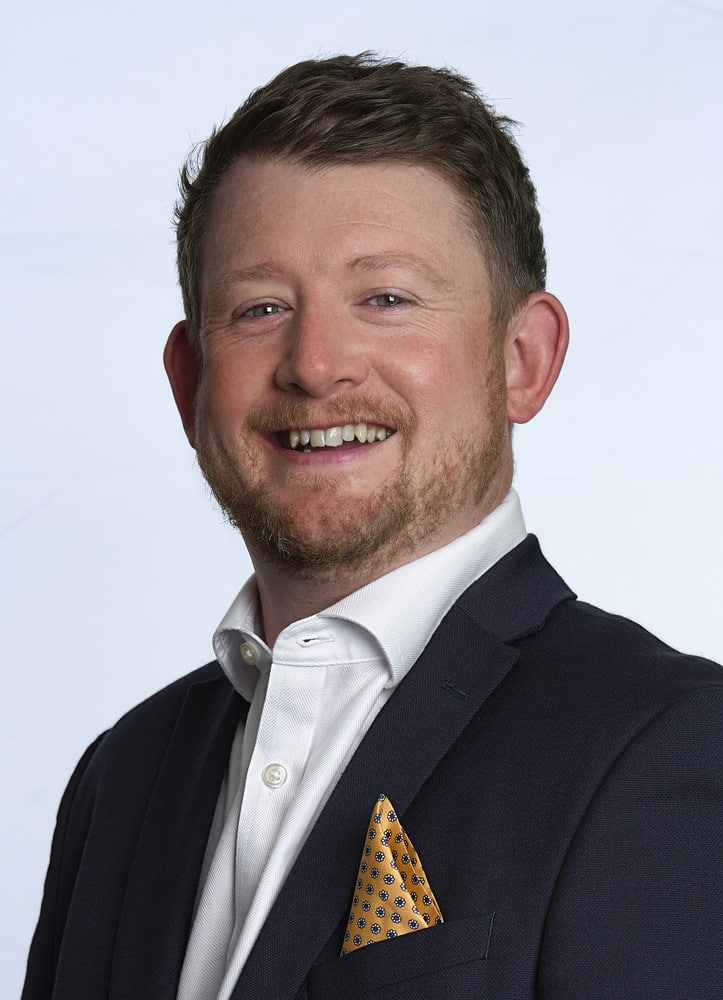
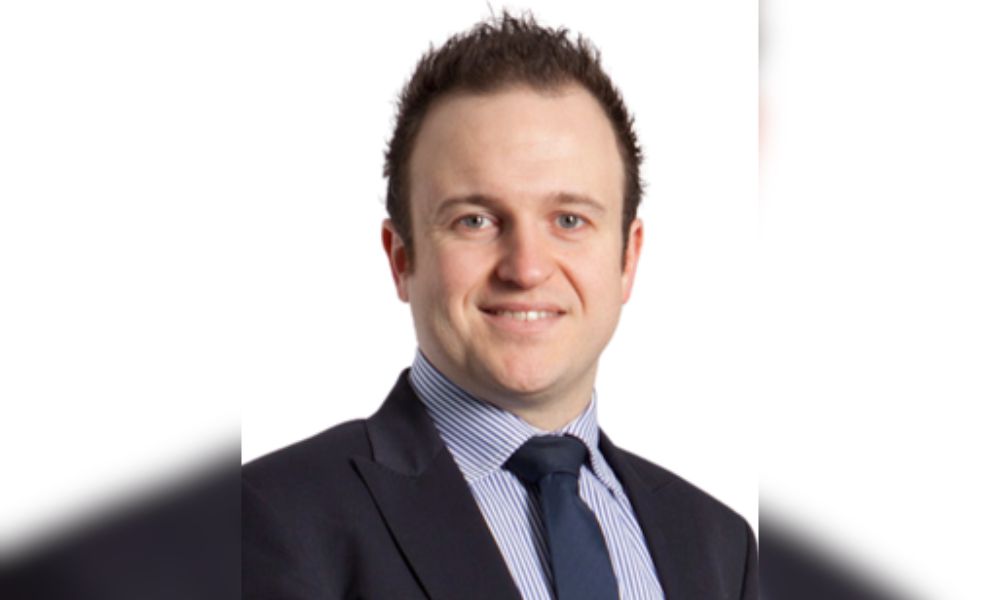
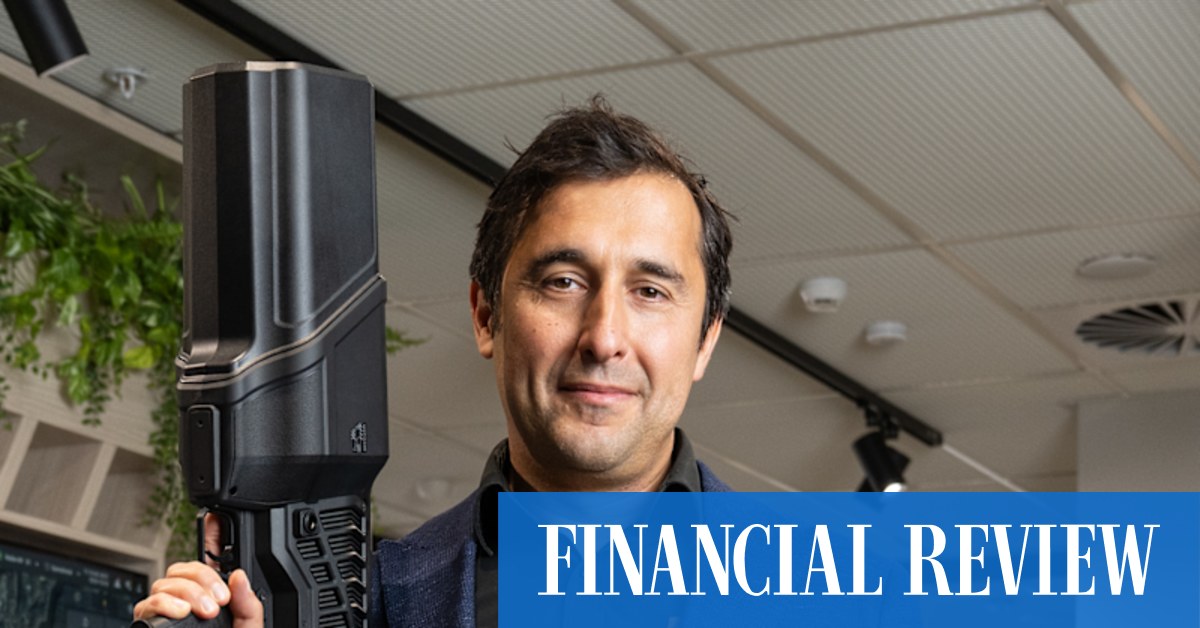
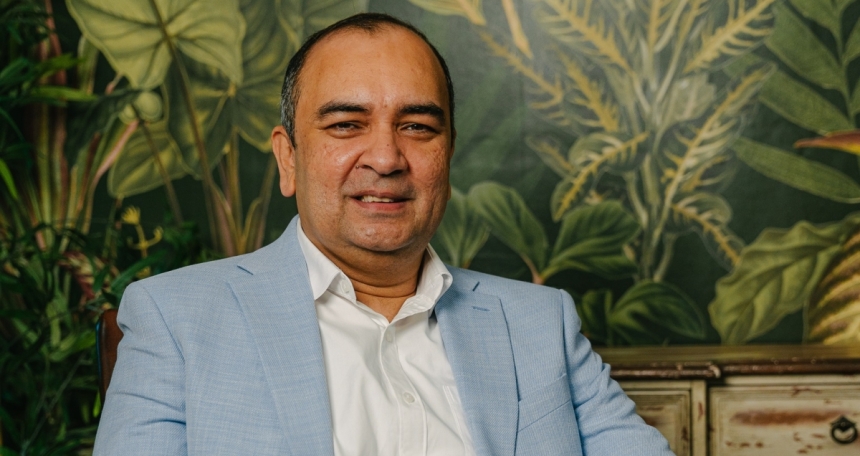
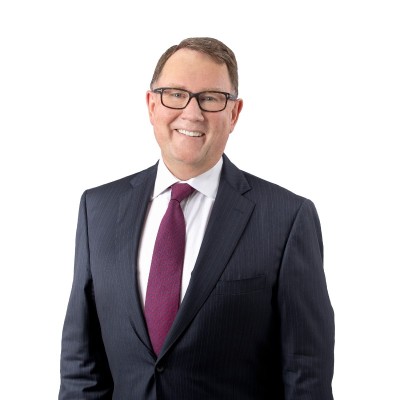
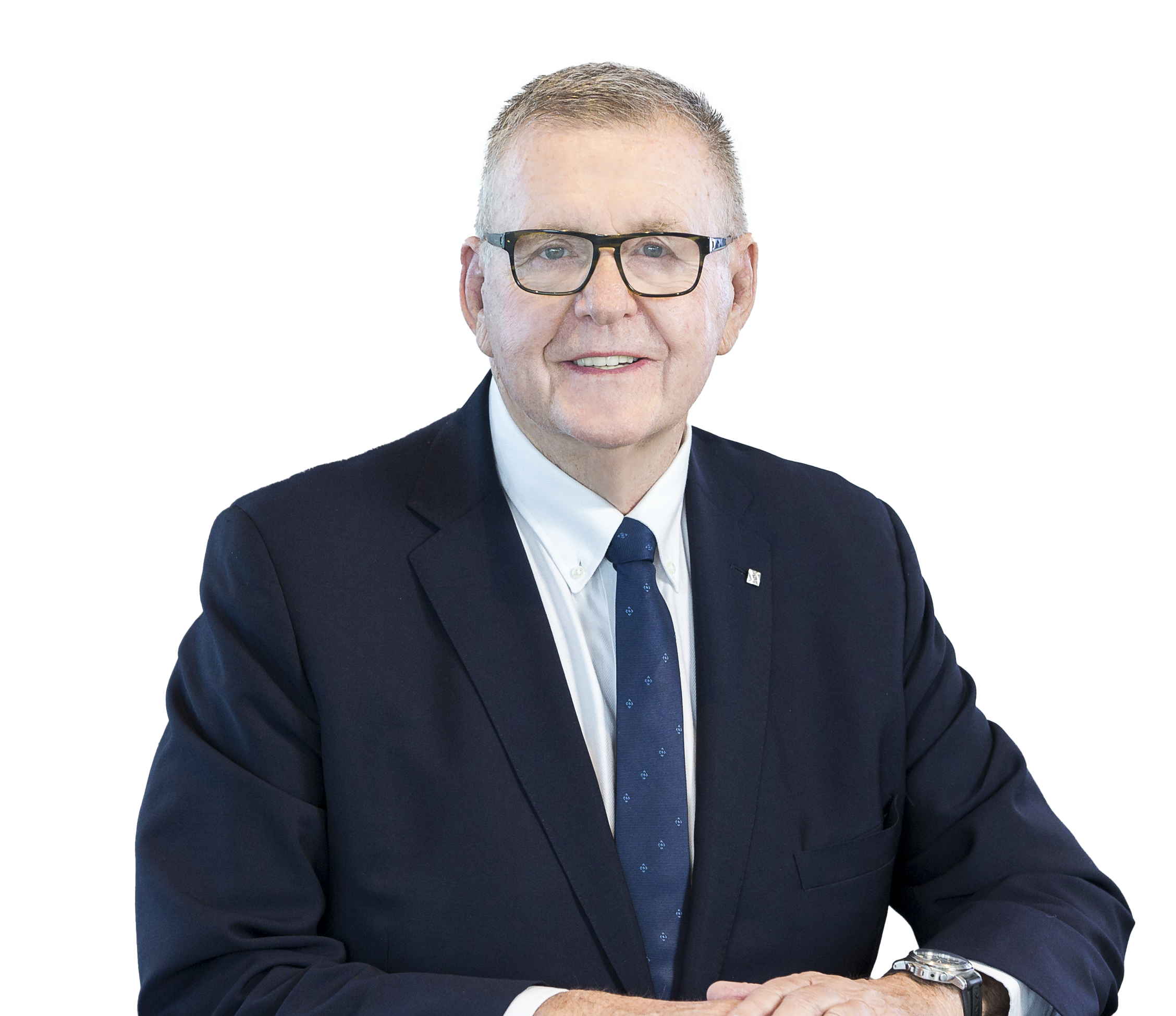
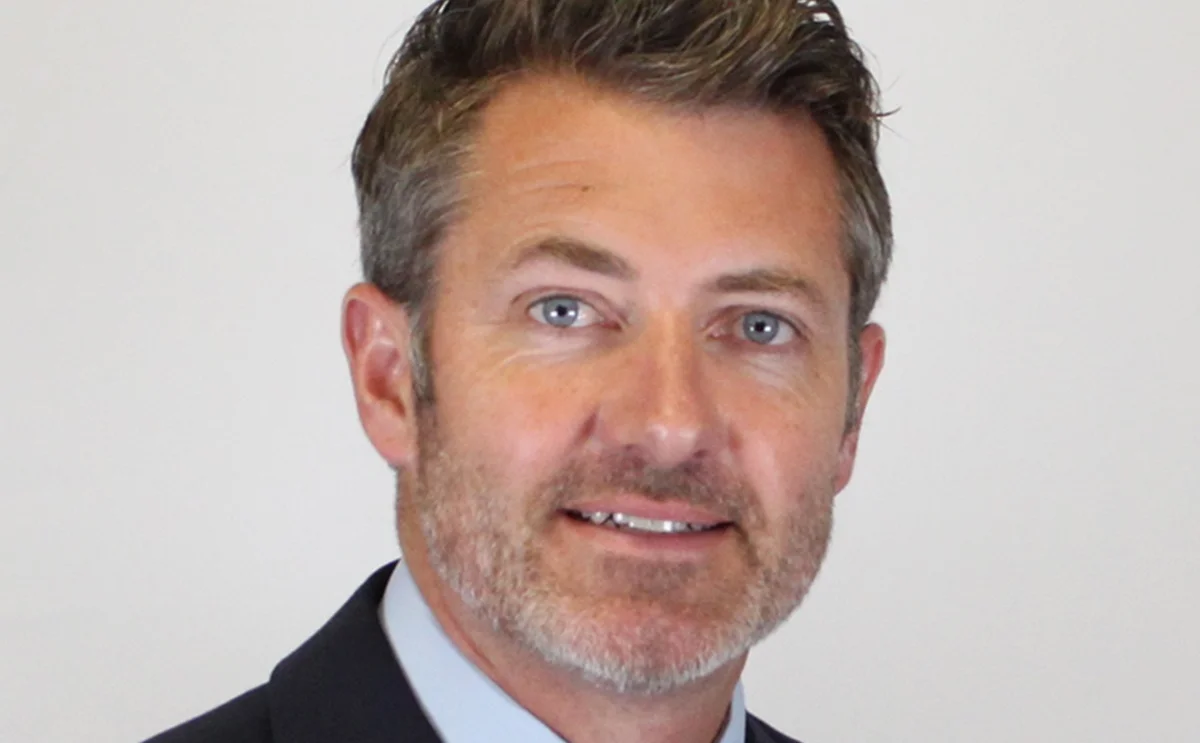
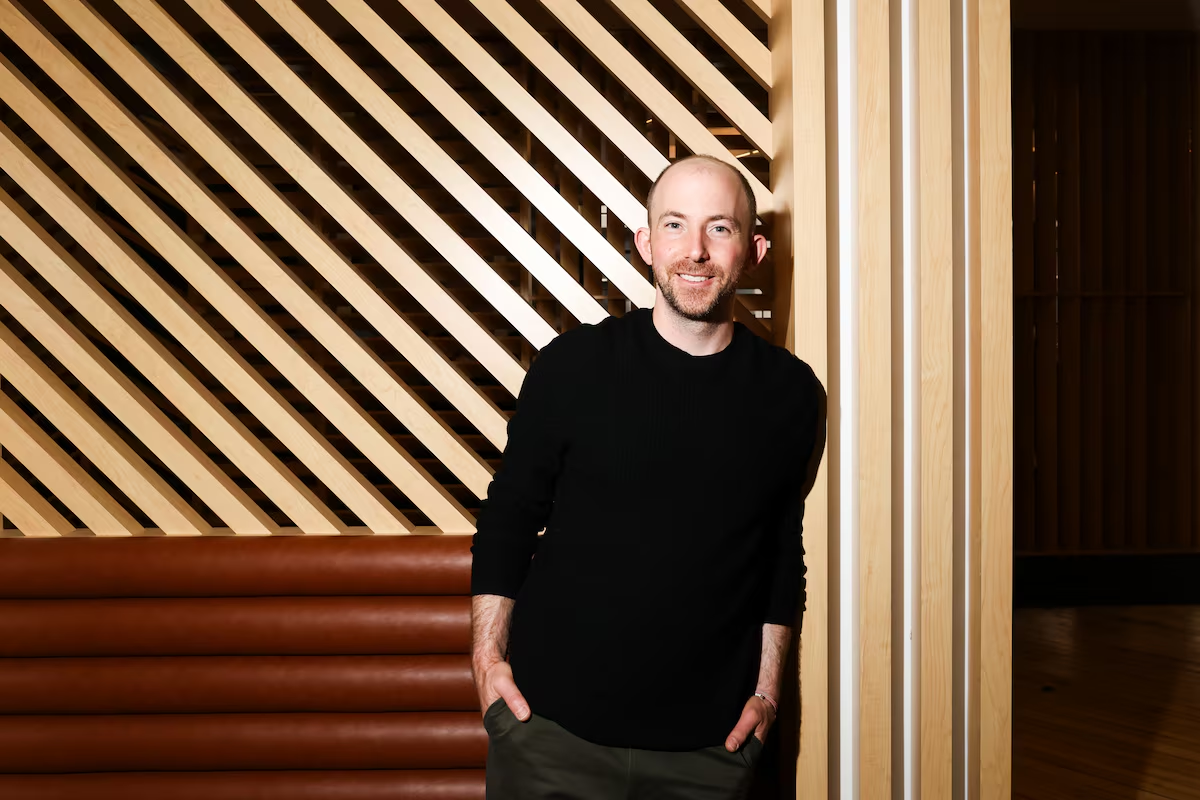
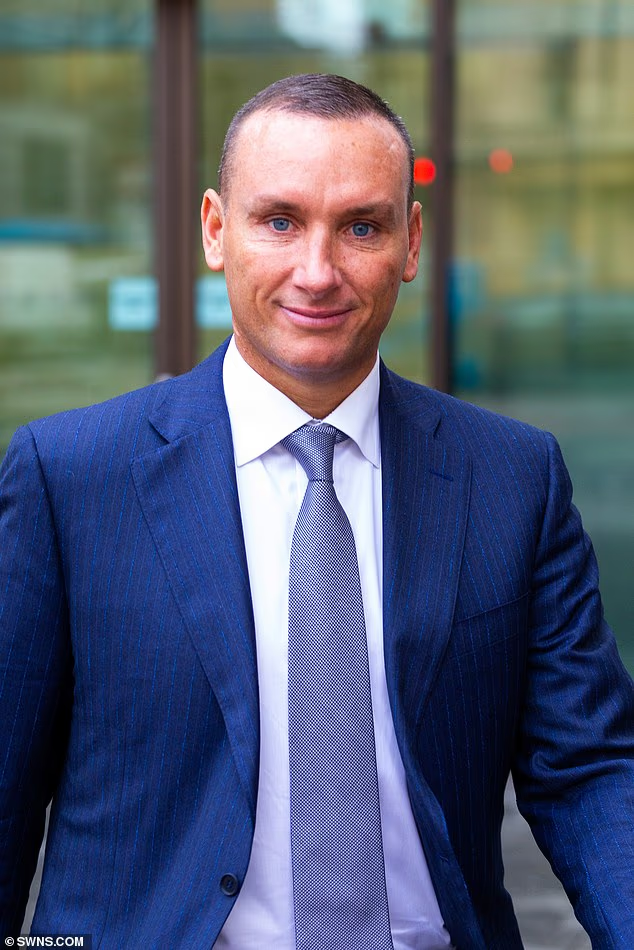
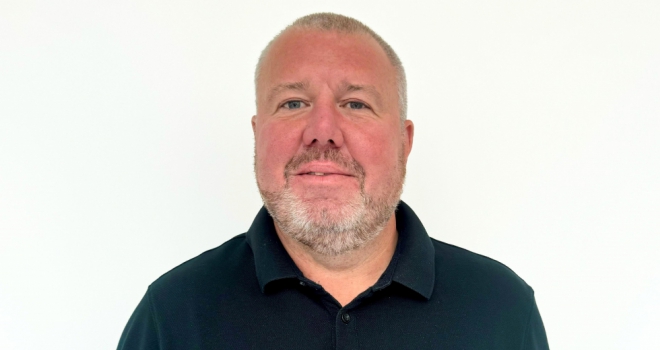
Dale Klynhout, founder and managing director of Australian prime broker Lazarus Capital Partners.
As global investment banks tighten client lists to comply with rising capital and compliance costs, boutique prime brokers are filling a growing void, offering institutional clients tailored support without the rigid structures and minimum thresholds typical of larger players.
Flexibility and tailored service
Lazarus has positioned itself as a specialist in servicing portfolios from $US1 million up to $US500 million, a sweet spot often overlooked by bulge-bracket banks. Unlike large banks that depend heavily on balance sheet leverage, Lazarus focuses on operational efficiency, transparency, and delivering customised, hands-on service.
“We aggregate total client order flow, which lowers our cost base and allows us to offer brokerage, custody, and FX services at a lower cost,” says Klynhout. “Clients benefit from a streamlined transition from legacy systems to more efficient portfolio risk reporting and administrative operations.”
This bespoke model means Lazarus can flexibly incorporate evolving client needs and support a wide range of strategies – from traditional equity and fixed income portfolios to more complex derivatives and FX transactions.
Removing barriers and growing together
A critical point of difference for boutique brokers like Lazarus is how service thresholds are applied. Many global banks impose strict minimum asset or revenue hurdles, making it difficult for smaller institutional clients to access prime brokerage services.
“Lazarus doesn’t impose minimum assets under management or revenue benchmarks,” Klynhout says. “We prioritise the quality of a client’s business and their long-term growth potential. Time, patience, and trust lead to exponential growth for both the client and us.”
This approach creates a partnership mindset, where boutique brokers grow alongside their clients, offering early-stage institutional investors access to tier-one services and infrastructure that would otherwise be out of reach.
Real-time risk management and personal interaction
“During turbulent times, we work very closely with clients to manage exposures in a risk-averse way,” says Klynhout. “We manage live risks through multiple prisms and pass those techniques on to clients, helping them carry out strategies while mitigating as much risk as possible.”
This ongoing dialogue helps clients execute trading strategies with confidence, minimising risks and costs in real time.
“Our ability to connect daily with clients and tailor interactions to their individual needs builds trust and confidence – and that’s the core of our offering,” he adds.
Fertile ground for boutique growth
Australia’s institutional investment market is becoming a fertile environment for boutique prime brokers. Domestic fund managers, family offices, and other institutional clients are increasingly open to alternatives to global banks, attracted by the nimble infrastructure and personalised service models that boutique providers offer.
“Client feedback highlights Lazarus’ excellence in operations, trading, and execution,” Klynhout says. “That consistency enables our institutional clients to proactively manage their margins during periods of higher volatility.”
While large global banks continue to offer the widest range of products, their size can limit their ability to respond quickly or customise services.
“The scale of big banks can be a constraint,” Klynhout says. “They’re less flexible in delivering tailored solutions, and smaller clients are more vulnerable to sudden offboarding or unfavourable changes.”
Expanding client segments and capabilities
The prime brokerage client base is broadening beyond traditional hedge funds. Lazarus serves family offices leveraging prime services for hedging and structured investments, corporates using prime brokerage for treasury management, broker dealers running their own prime portfolios, and niche strategies gaining traction across Asia, the Middle East, and Europe.
“Our clients can tap into Lazarus’s expertise across global equities, fixed income, derivatives, and FX,” Klynhout says. “We offer either full or partial trading support, with smooth back-office functions and resilient operational infrastructure.”
This holistic approach enables clients to remain competitive and agile in fast-changing markets, without compromising on service or risk controls.
Looking ahead: agility, trust, and tailored solutions
As the institutional investment landscape grows more complex and unpredictable, the traits defining successful prime brokerage relationships are shifting.
“Where size once mattered most, agility, specialisation, and personal service are now shaping the next generation of institutional partnerships,” Klynhout says.
“Given the headwinds facing global markets, operational efficiency and seamless access to prime brokerage facilities will be critical,” he says. “Clients want partners who can help them manage risk, operate efficiently, and grow assets profitably.”
Boutique brokers like Lazarus, with their flexible service models and deep client engagement, are well-positioned to meet these evolving demands and capture a growing share of the market.
“The future is about building long-term partnerships based on trust and mutual growth,” Klynhout concludes. “We’re proud to be helping shape that future.”
To find out more, please visit Lazarus Capital Partners.